Not every car owner can afford a garage for various reasons. Therefore, the car has to be stored outdoors all year round. And this can be a precursor to problems in the winter. Even though a car is predominantly made of iron, it can still freeze literally. And every morning presents a difficult task: how to warm up the car in winter.
.jpg)
What can freeze in the car in winter?
During particularly strong frosts and high humidity, practically all mechanisms and working substances in the car can freeze. Starting from -5°C, windows and door locks ice up. The washer fluid in the tank turns into ice. When the temperature drops below zero, all doors and the trunk lid, mirrors, electronics in the power windows, and central locking system are affected and immobilized.
During very severe cold, motor and transmission lubricants lose their properties, the power steering fluid, brake fluid, antifreeze, and even the battery charge disappear. In addition, it becomes uncomfortable inside - cold seats and all plastic parts are not pleasant for anyone. Naturally, the cooling will not harm the vehicle fatally, but daily operation will be very difficult. Therefore, quick and effective car warming in winter is the key to convenience and safety.
.jpg)
Door locks
Today, cars that open manually are a rarity. Most cars are equipped with a central locking system operated by a key fob. All the mechanisms are hidden inside, but they may not work when the temperature drops. The thing is, the electric lock can jam at 0 degrees, and the electric motor won't open. The signal may go off when pressing the key fob, but the unlocking does not happen. In this case, the key is used. It is also helpful to spray WD40 or a de-icer into the lock hole. Everything will open in an instant. Under no circumstances should boiling water be poured.
Doors
They themselves cannot freeze, but they can easily get stuck to the frame. This phenomenon occurs for several reasons:
- There was high humidity in the car cabin - this happens if you transport many people and do not ventilate the car at night, as well as due to a malfunction of the climate control system
- Overcooled fog or rain
- Melting snow gets into the gaps between the doors and the body
- After washing, surfaces are not wiped dry from excess moisture
It is preferable to act preventively and lubricate the sealing rubber with silicone grease.
.jpg)
You should not pour boiling water on the body. It is better to use a construction hairdryer. In addition, it is enough to defrost one entrance to get inside and start the engine, warm up, and then open the rest.
Windows
.jpg)
Icing is an unpleasant phenomenon, but not critical. After heating and running the heater, the ice will melt, and visibility will be restored. If the cold is not severe, hot water or alcohol-containing substances can be used. Freezing can be prevented in the following ways:
- In heavy snowfall, a wise decision is to cool the interior - snow will not melt on the warm windshield and rear window, and an icy crust will not form
- Cover the car with a tarp - icing is excluded, unless the car was wet before covering
- After washing, thoroughly wipe all windows
Clean, non-iced body parts will save time and fuel. This is very relevant for those who are in a hurry to work and do not even have a second to wait for the car to warm up.
Engine
The engine cannot turn into an ice block by definition. Firstly, it is entirely made of steel. Secondly, all moving parts are also made of metal. Therefore, winter in our latitudes poses absolutely no threat to the power unit. Another story is motor oil and cooling liquid. Improperly selected lubricant at low temperatures can bind and immobilize all moving components. As for heat dissipation, modern materials can maintain density and viscosity without changing from -20°C to -35°C. If, for some reason, distilled H2O is poured into the pipes, it will have to be drained during a long stop.
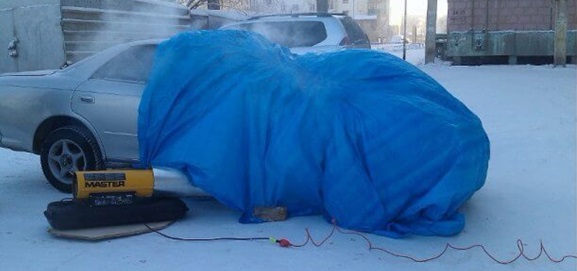
In general, pistons, cylinders, valves, spark plugs, timing belt or chain, water pump, and other parts are adapted to freezing weather and should not freeze. But if the engine requires warming up, using an industrial jet heater or a thermal gun will be useful. This method may be unusual for quickly warming up the car, but it is very effective.
.jpg)
Windshield wipers
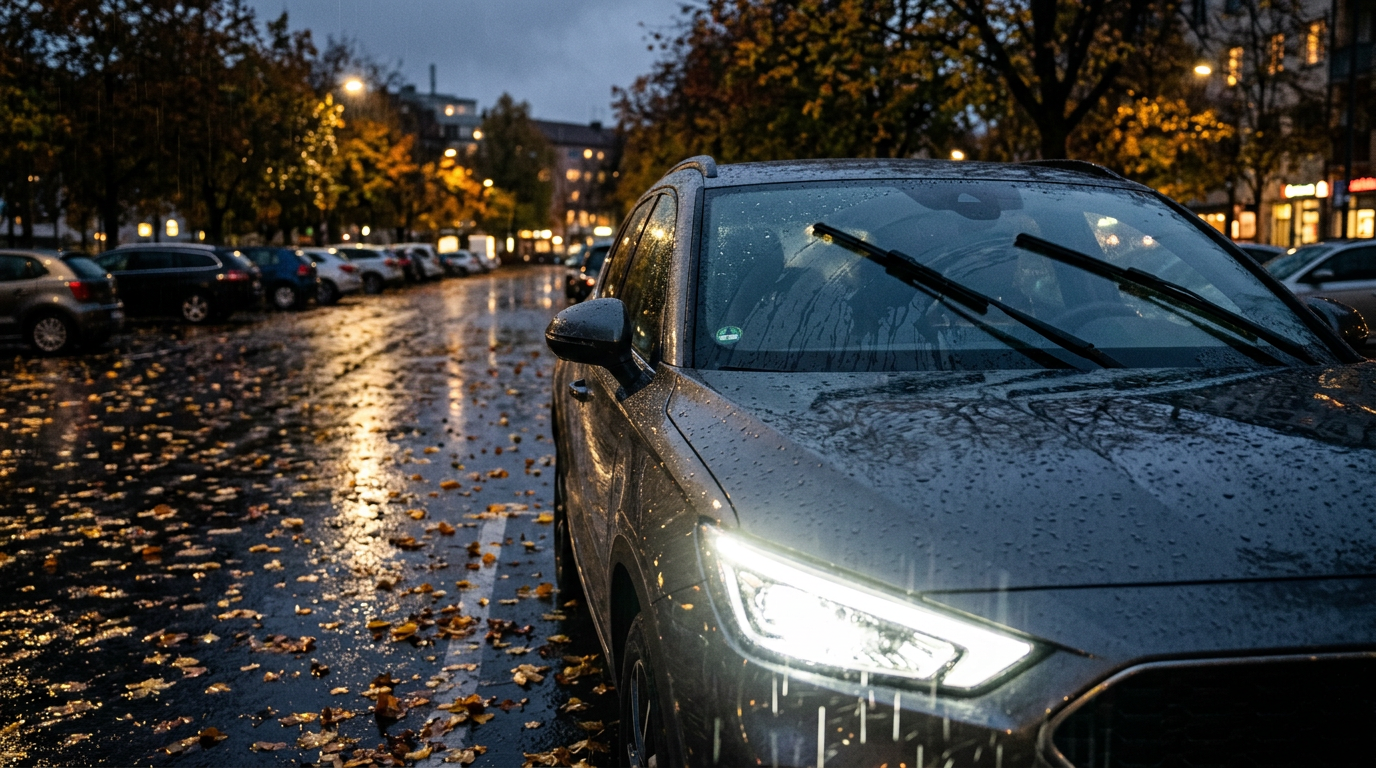
In the winter season, raised windshield wipers are visible everywhere. Experienced drivers do this to prevent them from freezing. Even weak frosts can result in the wipers not moving when turned on because they are frozen. In principle, if the weather is expected to be dry, the wipers can be left alone by placing a dry cloth or paper between them and the glass surface.
Replaceable rubber wipers can also freeze and harden. It is a good idea to purchase winter wipers in advance.
Parking brake
Experienced drivers know - from November to March, it is more reliable to refrain from using the parking brake. The thing is, a frozen cable will not separate the brake pads when released, and the vehicle will be immobilized. To move, you will have to defrost the parking brake using heating devices.
Washer fluid
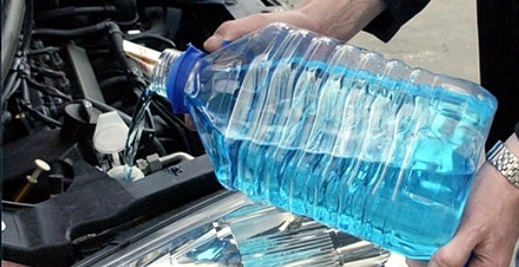
Here everything is simple - from October to April, it is better to fill the washer tank with a non-freezing solution. A mixture of distilled H2O with alcohol additives will remain liquid even at -40°C. This means that the nozzles, pipes, motor, and washer fluid reservoir will remain intact and functional.
How to warm up a diesel car in winter?
Unlike gasoline, there are summer and winter diesel fuels. The difference lies in the paraffin content, which is present in summer diesel fuel. Low ambient temperatures cause the fuel to crystallize, clogging the fuel pump, filter, and hoses. The owner of a diesel vehicle may face serious difficulties if the car spent a frosty night parked outdoors. The weak link in the diesel fuel delivery system is the filter element. There are several ways out of this situation:
- Replace the clogged filter with a new one
- Warm up using a hairdryer, heater, or steam generator
- Integration of special heaters into the system
- Installation of a preheater
- Use an anti-gel that circulates through the hoses using a manual pump
- Call a team of specialists who can warm up and start the car
It is not recommended to start the car engine from a push or tow, as the timing belt may be damaged.
Starting a car on diesel fuel in winter should be done differently than on gasoline. First, turn on the ignition - the spiral-shaped indicator on the instrument panel will light up and go out. This activates the glow plugs and heats up the combustion chambers. Only then turn the key to the START position. If the car does not start, repeat the procedure after a few minutes. Continue this until the engine starts under the hood.
How to properly warm up the car?
Long before warming up the car, it needs to be started. Difficulties arise with starting the engine. The thing is, the charge drops instantly in the cold. Especially if the battery is relatively old. Because electricity in the battery is generated by a chemical reaction, and this process decreases below zero Celsius. As a result, the voltage and current decrease, and there is not enough energy for starting. Warming up the car in winter may not start if there is no electricity on the terminals.
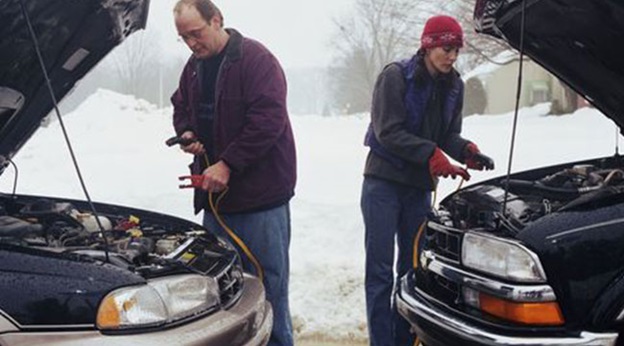
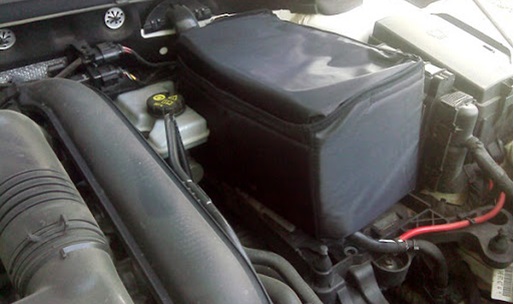
What to do if the battery is dead, and the starter cannot be turned? Neighbors and friends can help by jump-starting the car from their vehicles. Another option is to try to turn the crankshaft from a push or tow - by human effort or on a tow. A new charged battery will definitely work. To prevent such problems, it is recommended to place a warm blanket in the engine compartment. Or bring the power source inside the house during downtime. A heat gun can also help warm up the battery.
When the electric battery is fine and the car can start, in winter, it is essential to follow some rules:
- Before starting, it is better to turn on the low beam for 4-5 seconds - this will "wake up" the battery
- Start the engine and let it run at idle. This should be done in neutral for both manual and automatic transmissions
- If the engine does not start, do not insist on it immediately - it is safer to wait half a minute and try again
- When the RPM drops from 1200-1300 to 900-1000 units, start without jerking
- Gradually accelerate, do not gas sharply in the first kilometer, and move at speeds of 30-40 km/h
- It is not advisable to accelerate to high speeds until the necessary heat is reached - after about 10 minutes, you can accelerate to the allowed speed
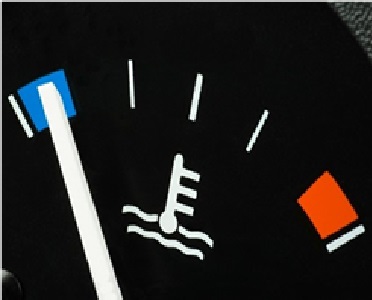
Some specialists recommend not warming up the car in winter at all. In their opinion, this only accelerates engine wear. However, the practice of millions of owners proves that this procedure should not be avoided. After all, the density of motor oil increases, which leads to a deterioration of lubricating properties. Therefore, starting the engine immediately means bringing the car closer to a breakdown.
Only by properly warming up the car in winter can you extend its service life and reduce the number of repairs. It has been proven that if you do not warm up the car before driving in winter, it is more likely to break down.
https://www.youtube.com/watch?v=XwpPHoUAU6w