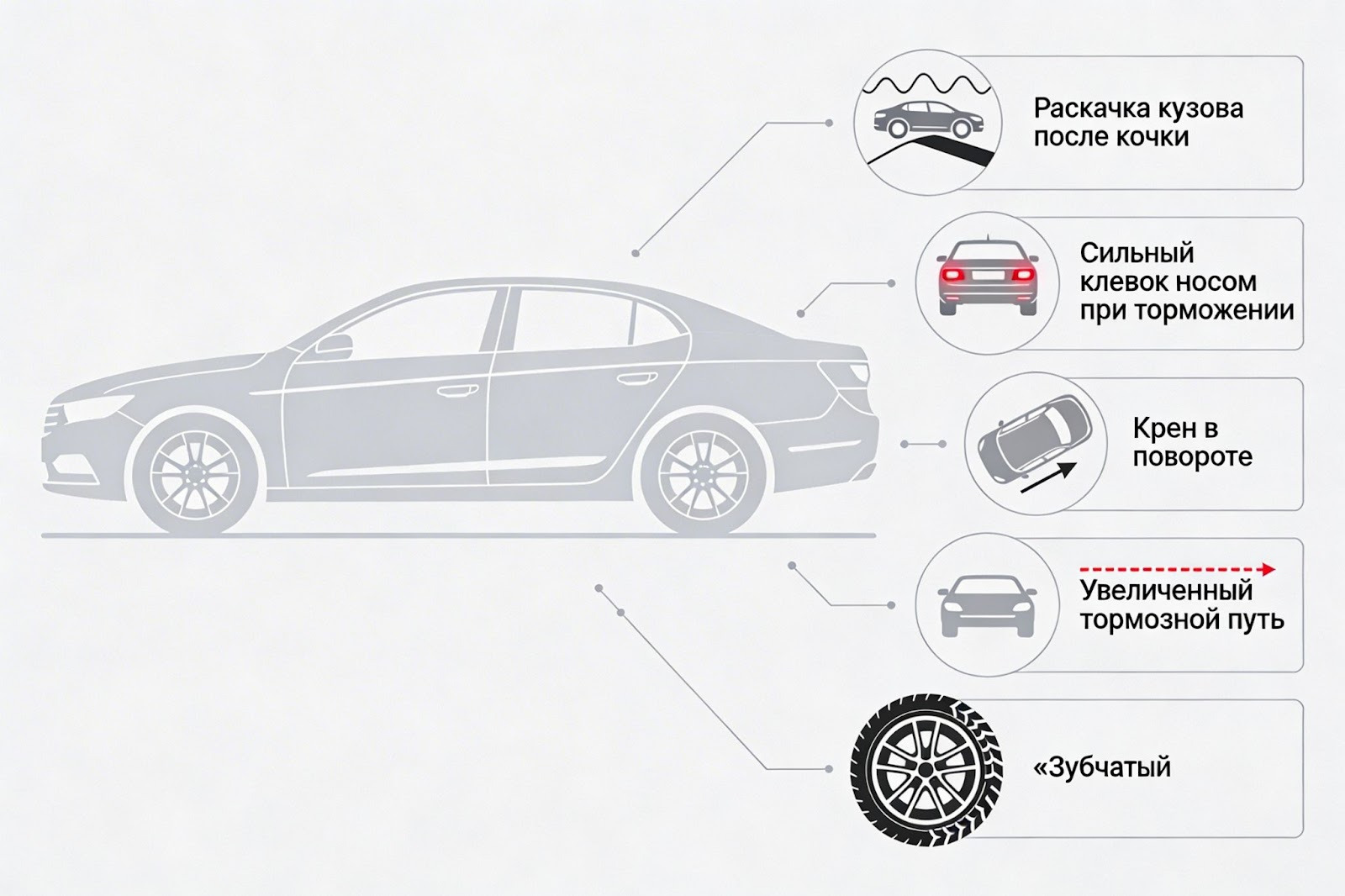
Debates on the need to protect the power unit and gearbox from danger below have been going on for decades, and in 2020 they show no signs of stopping. There are convincing arguments both in favor of installing a metal sheet on the bottom of the car and against it. Is it necessary to install a crankcase protection or was the product invented for marketing purposes?
Contents
- What is carter protection for a car?
- Is it worth installing additional carter protection?
- Cons of carter protection
- Conclusions
What is it exactly?
The top and sides of the engine compartment are protected by body elements. The bottom side is open to the outside world. The bottom part of the unit is the crankcase, which contains the engine oil. The transmission is always located close to the engine. To protect these components from contamination and damage, it was decided to bolt a steel plate of the appropriate size and thickness (3-5 mm) to the frame.
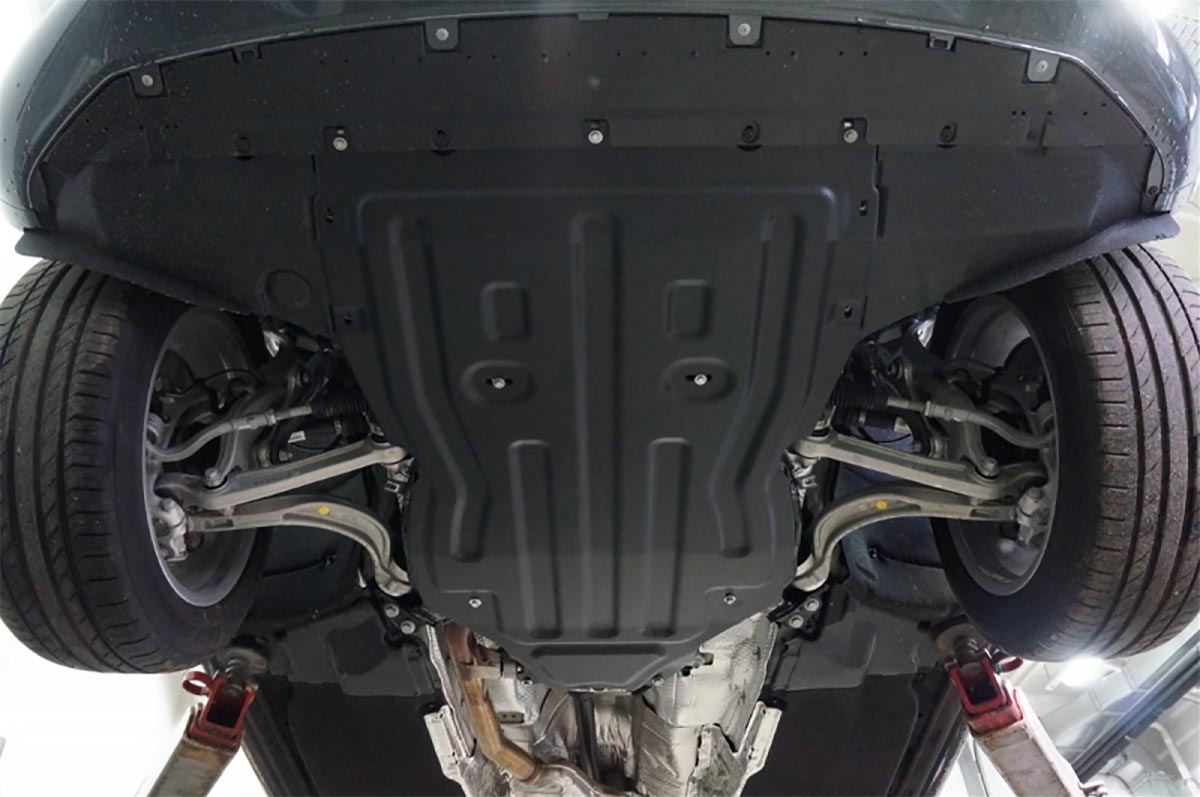
Today, there are various materials available for carter protection, such as aluminum, titanium, carbon, kevlar, and simple plastic. This part has become a standard tuning component, serving more of a decorative function.
The bottom protection has both fans and opponents.
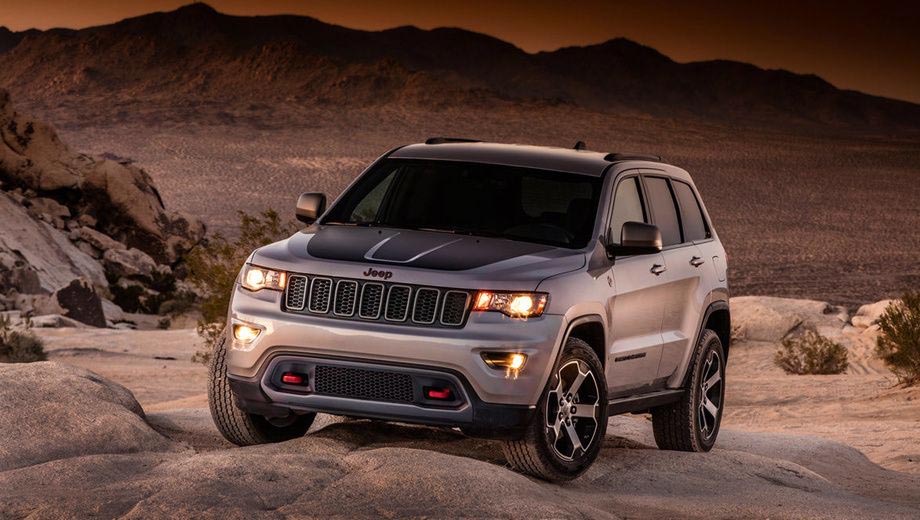
The claim that engine crankcase protection is extremely necessary may raise suspicion. Often, this is heard from sellers and manufacturers of these products. The same opinion is held by crossover owners and off-road enthusiasts. But why is crankcase protection needed in city driving mode? There are enough reasons:
- • It will definitely protect the engine compartment from dirt and water
- • It absorbs impacts from any objects on the road (rocks, branches, road irregularities, etc.), ensuring the oil reservoir remains intact and undamaged
- • In addition to the engine, it covers the transmission - protection of the automatic or manual transmission from impacts is equally important
- • Plastic carter protection is lightweight, easy to install without a pit or ramp, yet can withstand loads as well as steel
- • It can act as an anti-theft device - suitable only for cars with the alarm control unit mounted under the front fender
If the vehicle frequently goes off-road, regardless of the type, the question "Why do you need crankcase protection?" does not arise.
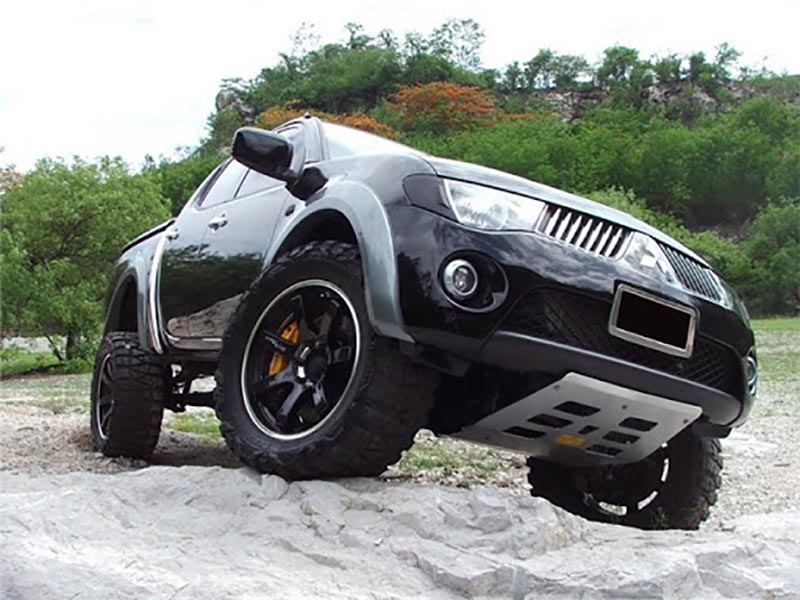
Arguments "Against"
There are several reasons to confidently reject the part:
- • It doesn't matter which carter protection is better if it involves additional costs - the product itself has a certain and not small cost
- • In addition to buying a stainless steel sheet, you will have to constantly pay at the service station for removing the part when replacing lubricants, coolants, filters, and other repairs, which will make maintenance more expensive (supporters of use note the availability of options with cutouts for easy access to drain holes)
- • Clearance, especially for sedans, decreases by a couple of centimeters and even wider tires won't fix the situation
- • When driving on dirty roads, the carter protection can act as a shovel and collect dirt and mud in the compartment, requiring regular inspection and cleaning
If the car does not leave the city limits, there is little sense in using additional protective components. But even on perfectly smooth asphalt, something unexpected can appear and damage a component.
Conclusion
Whether to install a crankcase protection is a decision each car owner makes for themselves. Indeed, there are cases where it is indispensable. On the other hand, it can become a burden and only hinder. There are many options available on the market for all car models and brands. There are new and used parts at different prices. Everyone will find something suitable, and if there are doubts about which carter protection is better, you can consult with specialists.
See also:
- camry 55 usa disassembly
- ford edge parts
- ford escape disassembly kiev
- ford focus usa disassembly
- ford fusion usa disassembly
- jetta 6 door disassembly
- passat b7 usa disassembly kiev
- vw passat b8 usa
- camry 70 disassembly
- toyota highlander 14
- nissan rogue doors