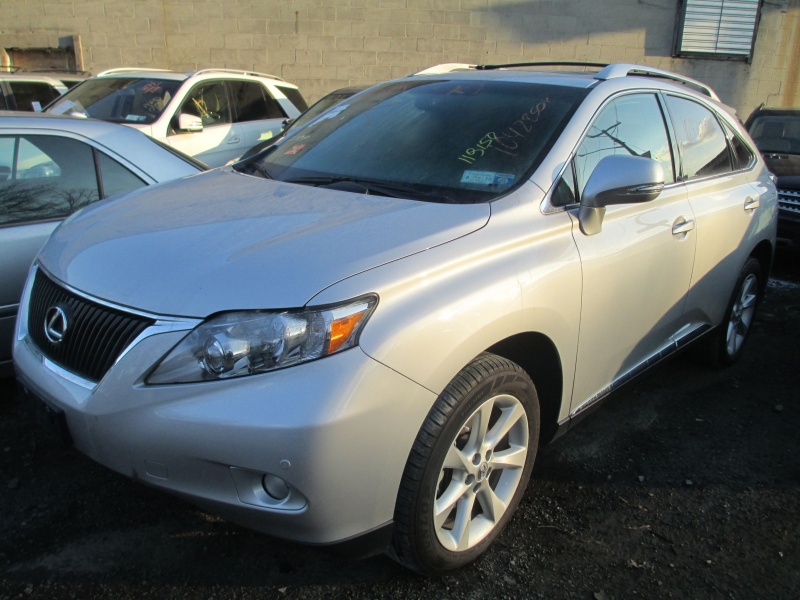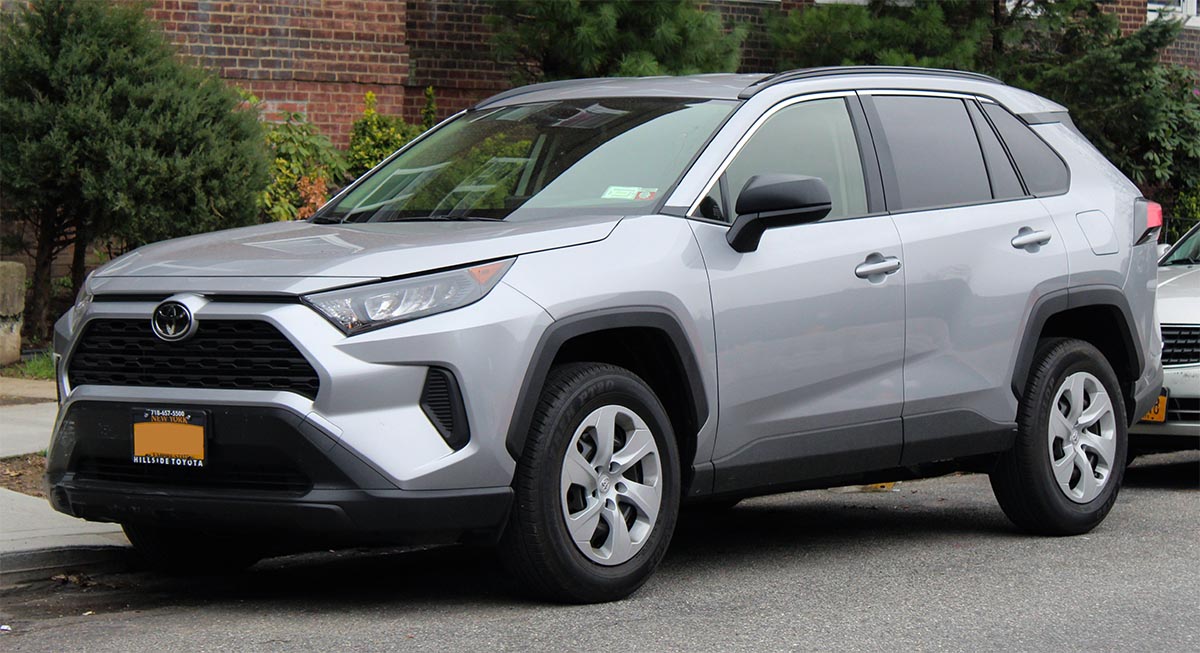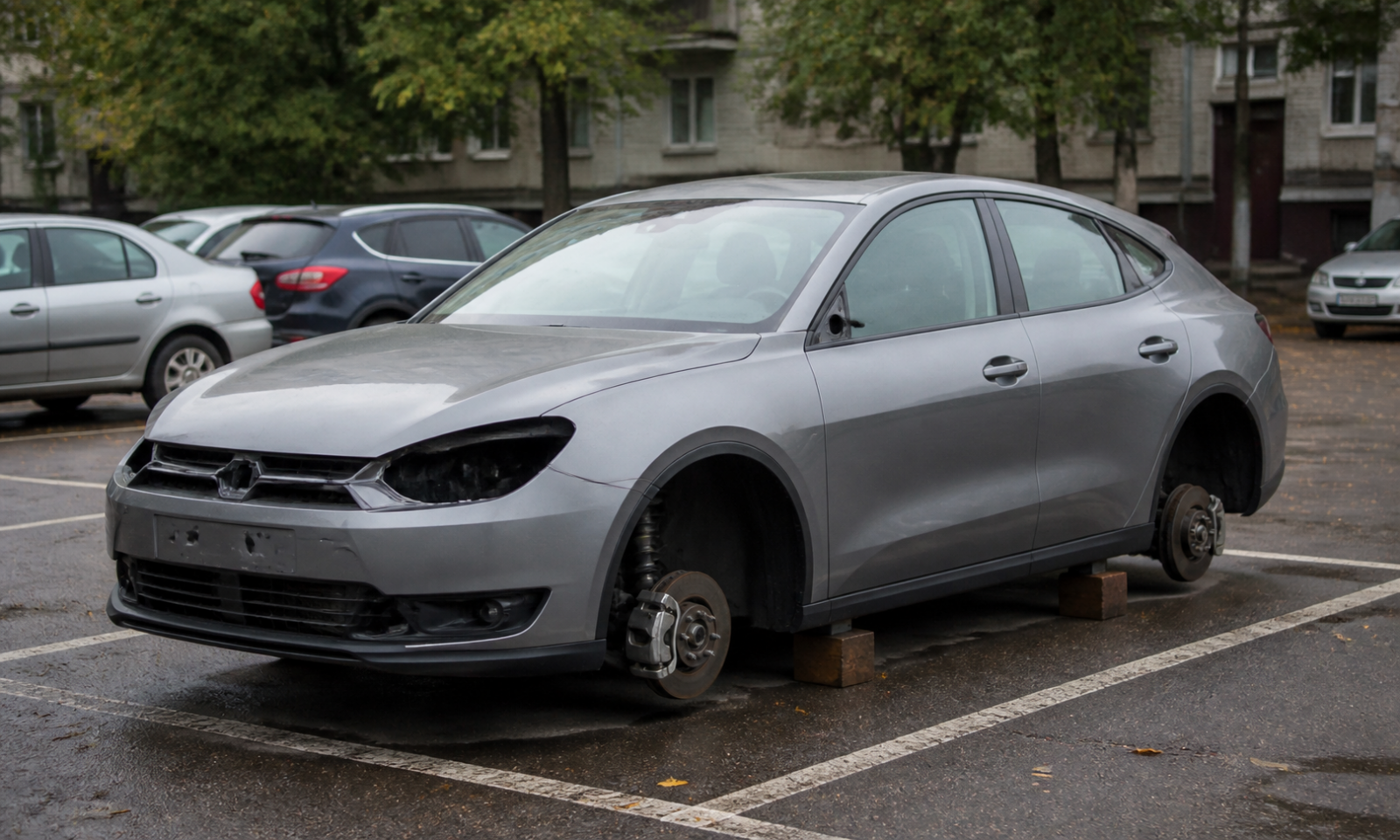
Imagine: you walk out into the yard one morning, and your car seems to be there—except it's missing its mirrors, its headlights, and it's sitting on bricks instead of wheels. Or another scenario: the car was found stolen, but all that's left is essentially a bare shell: everything valuable has already been removed and dismantled.
In recent years, the cost of individual components has risen so much that a set of LED headlights, original wheels, or a catalytic converter can cost as much as half the price of an old car. It's no surprise that these components are the most common targets for thieves and illegal car dismantlers—the demand for expensive, original parts is enormous.
In this article, we'll explore which parts are the first to disappear from cars after they're stolen or dismantled, why they're so expensive, how to distinguish legitimate used auto parts from dubious ones, and what to look for when buying parts from a car dismantler.
Why has the topic become particularly relevant?
A modern car is no longer just metal and plastic, but complex electronics, sensors, and expensive optics integrated directly into the bodywork. Any impact, even a minor one, can damage not only the hardware but also the cameras, radars, driver assistance systems, and parking sensors, which cost tens of thousands of hryvnias.
In this case:
new original parts have become more expensive due to exchange rate differences, logistics, and rising manufacturer prices;
many components (headlights, control units, catalytic converters) are tied to specific modifications and configurations, which complicates selection;
The used auto parts market has become more structured: there are legal auto dismantlers with documents, photos, and warranties, but there remains a "shadow" segment, where parts of dubious origin end up.
Against this backdrop, more and more owners are looking for genuine used spare parts—especially when a new part costs 20,000–50,000 hryvnias, while a good part from a salvage yard is 3–5 times cheaper.
What details often disappear first?
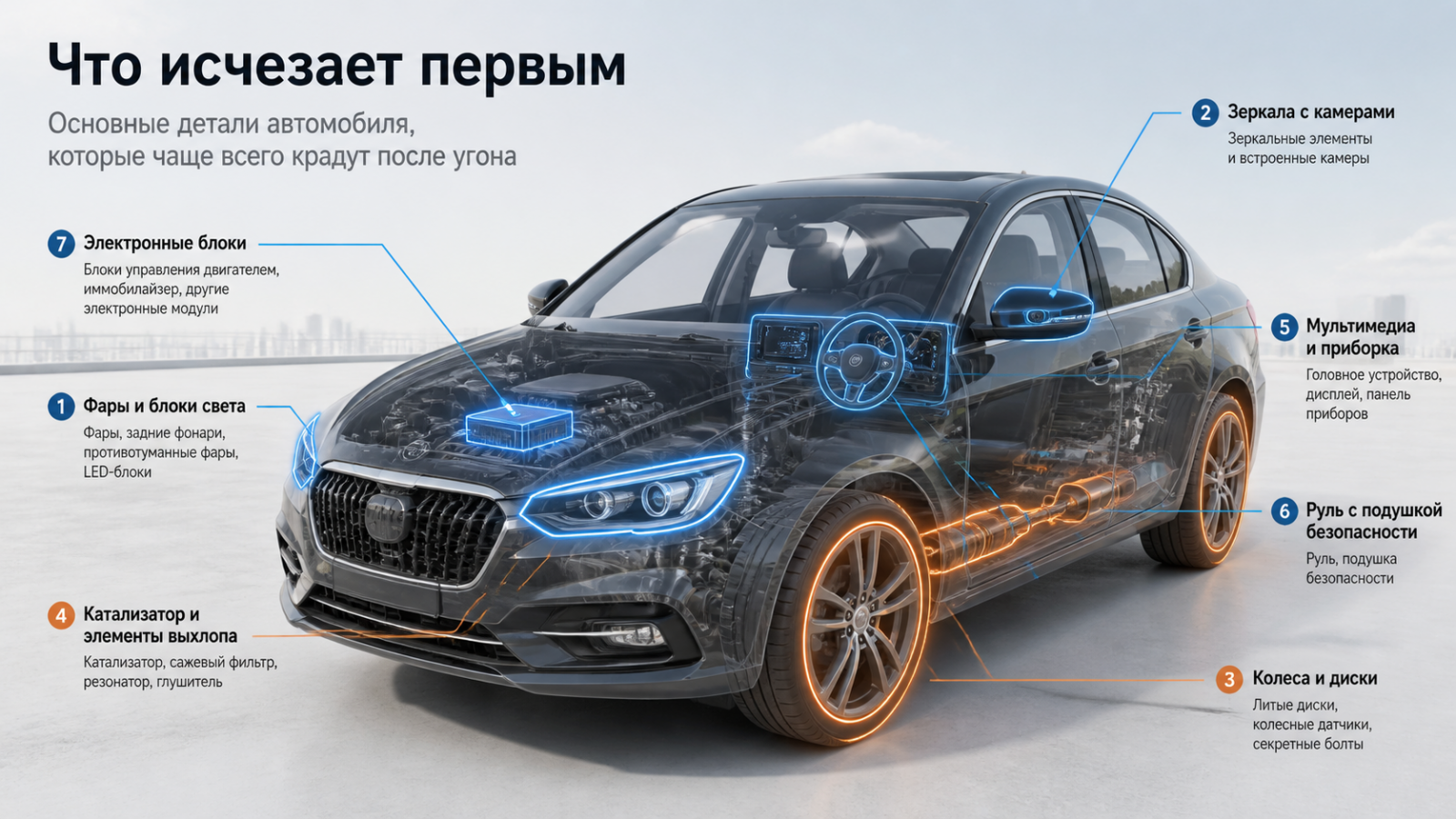
Headlights and light control units
Modern headlights are among the most expensive and vulnerable body components. This is especially true for LED optics, full-LED matrix headlights, and adaptive dynamic headlight systems, where the ignition unit, control unit, lenses, and electronics are hidden inside the housing.
Why headlights are removed first:
high price: a pair of new original headlights for a popular crossover easily costs 40,000–80,000 UAH and more;
quick dismantling: an experienced thief can remove a headlight in a few minutes, especially if the fasteners are easily accessible;
Stable demand: optics are often damaged in accidents, and owners are actively looking for used headlights instead of new ones.
Many auto dismantlers sell headlights as a set—with control units, correctors, and covers—indicating the OEM number and the condition of the mountings.
Mirrors with cameras and heating
Mirrors have long since ceased to be simply "glass on a stem." They now feature integrated turn signal repeaters, all-round cameras, temperature sensors, ambient lighting, and sometimes even blind spot sensors.
Why mirrors are popular loot:
compact size and quick dismantling - the mirror can be removed in a matter of seconds;
high cost of modules with cameras and electronics - for some models, one mirror can cost 8,000–15,000 UAH and more;
There is a high demand for original housings and "legs", which often break during parking impacts.
Wheels and original disks
Wheels are a classic top-selling item for theft, especially original alloy wheels with expensive tires. On the used market, a set of original wheels and tires can cost between 20,000 and 60,000 UAH, depending on the brand and diameter.
Filmed:
complete wheels (rims + tires);
only the disks, leaving the car on a jack or bricks;
sometimes even decorative caps, if it is a rare or expensive model.
For protection, they often use secret nuts, parking in secure areas, and video surveillance.
Catalysts and exhaust elements
The catalytic converter is a favorite part for thieves in Europe and the CIS because it contains precious metals (palladium, platinum, rhodium). Such a unit can be sold for scrap for several thousand hryvnias, while for the owner, replacing it with a new catalytic converter can cost 15,000–40,000 hryvnias or more.
Peculiarities:
the catalyst can be quickly cut out under the car using a grinder;
Hybrids and modern gasoline cars often have two or more catalytic converters, which further increases the cost of replacement;
Many owners install a used original or flame arrester instead of a new one, but this is already a question of ecology and legality.
Multimedia and navigation
Factory multimedia systems, head units, and instrument clusters are another gold mine for thieves, especially in the premium segment, where a large touchscreen, navigation, and amplifier can cost tens of thousands of hryvnias in the original version.
Most often they shoot:
head units with screen;
digital instrument panels;
amplifier blocks and subwoofers in branded audio systems.
At legal auto dismantlers, such parts are usually sold with mileage, equipment, and the ability to link them to a new car through programming.
Steering wheels and airbags
A steering wheel with an airbag, especially in higher-end trims with leather, heating, and control buttons, is another expensive interior component. A genuine version of this type of steering wheel can cost between 10,000 and 30,000 UAH or more, so the demand for used steering wheels is consistently high.
However, airbags are critical safety components, and purchasing them used requires special care—we'll discuss this separately below.
Electronic units and wiring
Engine control units, ABS, ESP, comfort modules, key modules, and immobilizers—all of these also fly off the shelves at auto dismantlers very quickly. On many modern models, these units often fail or require replacement during tuning, so owners look for working used modules.
When stolen or dismantled for spare parts, such units:
remove them first, while there is access to the interior and engine compartment;
sometimes used to “transplant” electronics into another car;
Sold as a set with keys and locks for easy installation.
What to look for when buying a used part
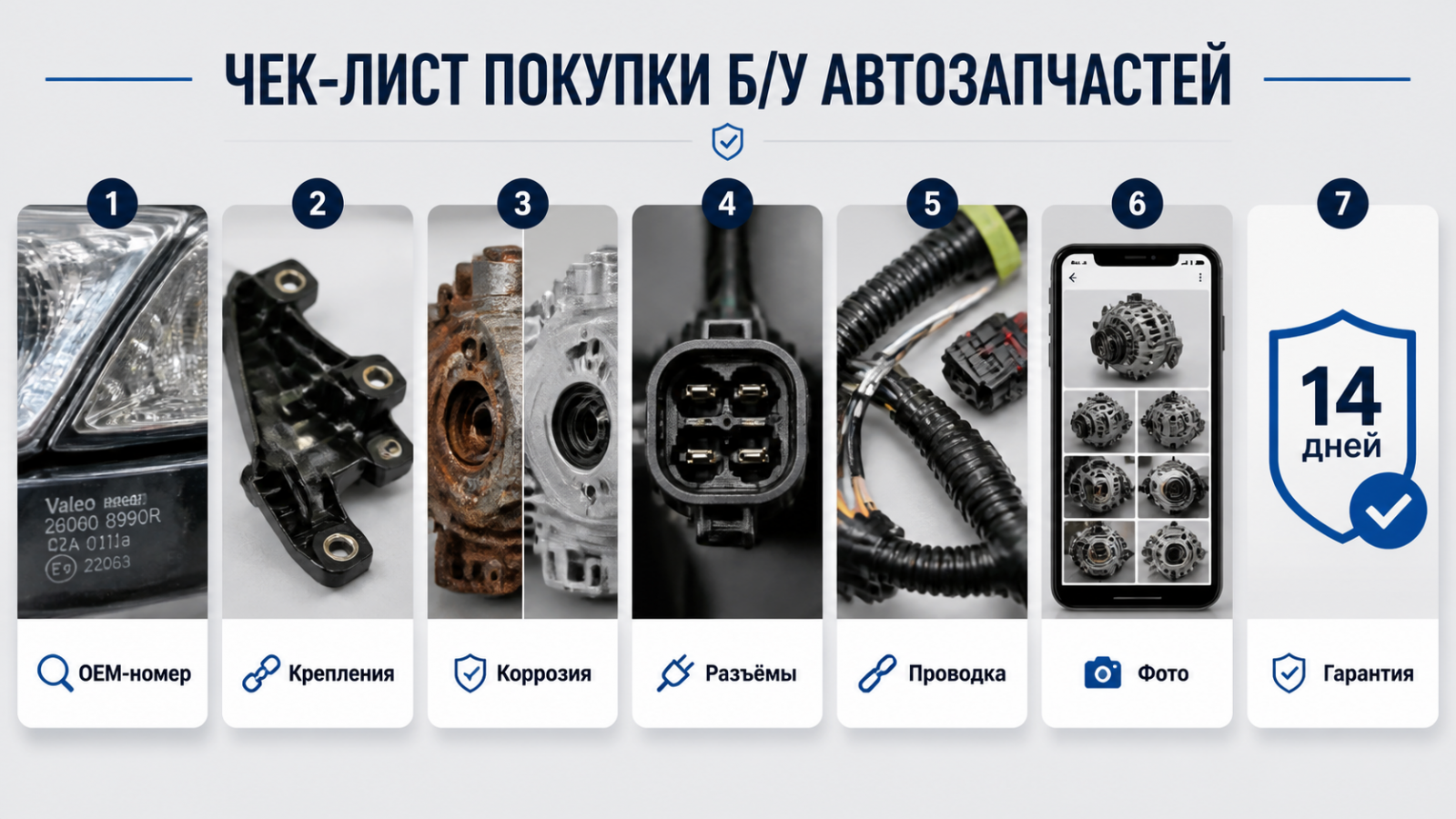
1. Part number / OEM code
Check the OEM number against the manufacturer's catalog or the vehicle's VIN code—this is the main compatibility guide.
For many parts, not only numbers are important, but also revisions, letters at the end, year of manufacture and market (EU, US, Asia).
2. Compatibility with model and year
The manufacturer may change the fasteners, shape and connectors within one generation of the model.
Please check whether the part is suitable for your year of manufacture, engine, body type and trim level.
3. Condition of fastenings
Inspect all the “ears”, guides, and mounting points, especially around the headlights, bumpers, mirrors, and plastic elements.
Broken fasteners cause gaps, vibrations, and installation problems; repairs with staples or sealant are a temporary solution.
4. Signs of repair
Look for traces of soldering, putty, sealant, and welding—these indicate that the part has already been restored.
For optics, this may mean a breach in sealing and fogging; for body parts, it may mean incorrect geometry.
5. Cracks, chips, corrosion
Any cracks on plastic parts or signs of corrosion on metal are a reason to either negotiate or look for a better option.
It is important to look not only at the “face”, but also at the inside of the part.
6. Condition of connectors and wiring
The connectors must be intact, without oxidation, signs of overheating, or any “collective farm” items (twists, electrical tape, unknown adapters).
If the chips are damaged, additional electrical repairs may be required, which will increase the budget.
7. Part configuration
For headlights: is there an igniter/LED module, covers, correctors, lenses;
For mirrors: are the glass, cover, repeater, motor, camera and wiring present?
For bumpers: is there a reinforcement, grilles, parking sensors, brackets.
8. Photos from all sides
Ask for actual photos, not “approximate” ones from the catalog—it’s important to see your specific part.
Close-ups of fasteners, connectors, and markings help avoid surprises during installation.
9. Inspection Guarantee
Many legal auto dismantlers allow 7-14 days to check the electronics and components.
Check the return policy, especially when purchasing blocks, turbines, gearboxes and engines.
New part, analogue or reasonable savings with a used original?
For headlights, bumpers, doors, mirrors, interiors, and original wheels, used parts are often the best compromise between price and quality. For airbags, seat belts, and high-voltage components in hybrids and electric vehicles, new parts are more often recommended.
A real example from a car dismantling yard
Car: popular business-class sedan Toyota Camry.
Scenario: impact to the front left corner and partial dismantling of parts after theft.
What happened:
Damaged: left headlight, bumper with parking sensors, left fender, part of the TV and bumper reinforcement.
Removed: both front headlights, both mirrors, original alloy wheels with tires, catalytic converter, multimedia head.
The following remained usable: the hood (with minor defects), the right headlight after polishing, the doors, the interior, and most of the electronic units.
What could have been done:
replace missing headlights with used originals from a salvage yard with verified fasteners and an OEM number;
install a used bumper in the ground, paint it to match the color and transfer your parking sensors;
Restore a set of original wheels by purchasing a used set in good condition.
As a result, the owner could save tens of thousands of hryvnias compared to purchasing all new parts, while maintaining factory quality.
When choosing a used part, it's important to look not only at the price but also at the documentation, OEM number, and condition of the specific part. At a car dismantler, it's worth asking in advance what car the part came from, what photos are available, whether there's a warranty for inspection, and whether the part is returnable.
FAQ
What parts are most often the first to disappear after a car is stolen or dismantled?
Most often, headlights, mirrors, wheels, catalytic converters, multimedia, and electronic units disappear—anything that combines a high price with quick dismantling.
Is it possible to buy used headlights?
Yes, if they are original headlights with intact mounts, a matching OEM number, a clear history, and the ability to verify them.
How do you know if a used part will fit your car?
You need to check the OEM number, check compatibility by year, body type, and trim level, and also clarify the type of connectors and fasteners.
What is better: a new analogue or a used original?
For complex parts (optics, electronic units, mirrors), a used original is often the better choice; for simple body components, a high-quality analog is sometimes sufficient.
Conclusion and recommendations
A car that's been stolen or dismantled rarely disappears entirely—most often, it's the most expensive and in-demand components that disappear: headlights, mirrors, wheels, catalytic converters, multimedia systems, and control units. This is an unpleasant, but not hopeless, scenario for the owner: some of the losses can be offset by carefully selecting genuine used parts from legal auto dismantlers.
A used original part is a good choice when it's correctly matched to the OEM number, has a transparent origin, is photo-verified, and is inspected before installation. The key is to avoid buying blindly, avoid chasing a suspiciously low price, and clarify warranty and return policies in advance.