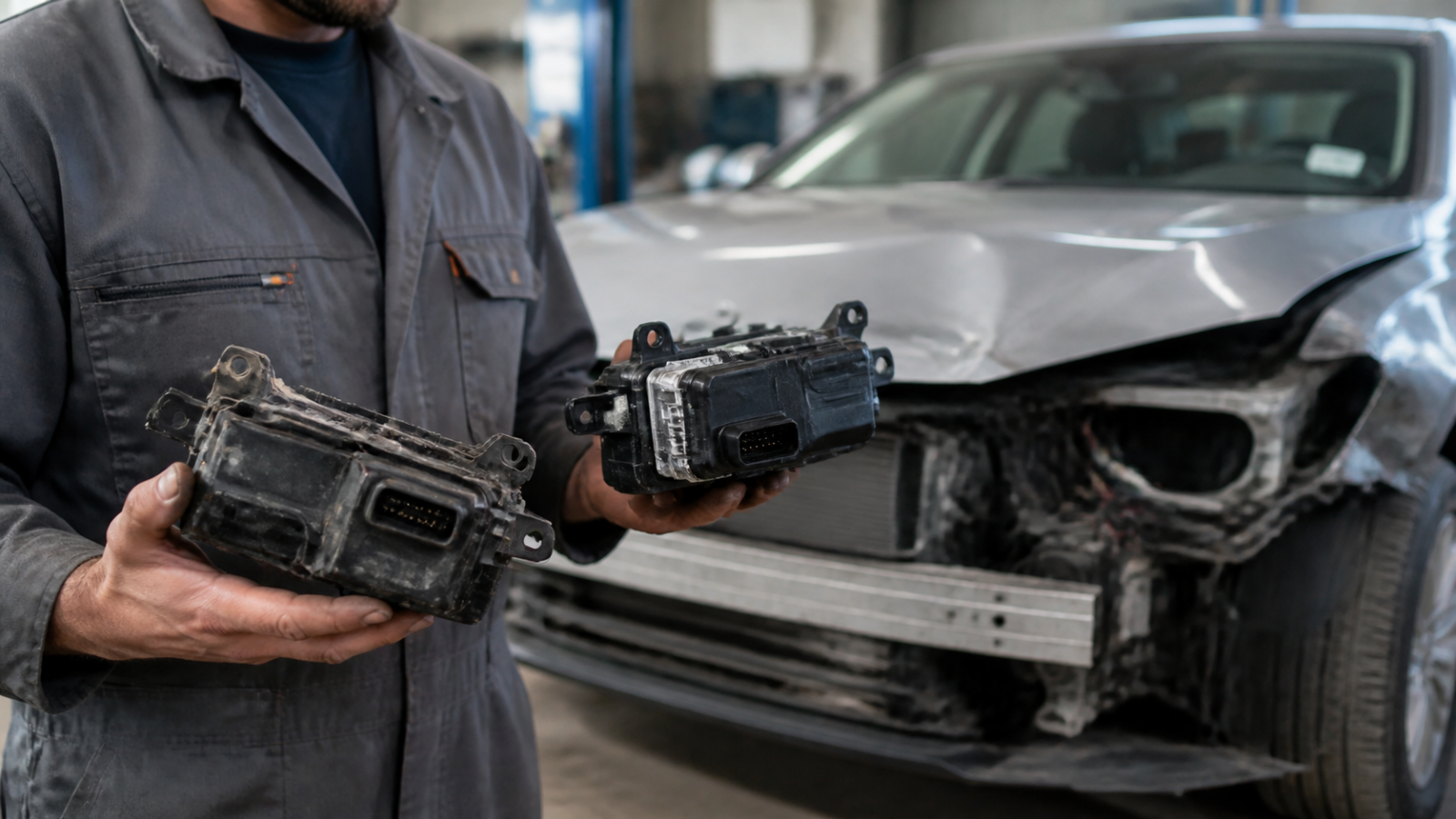
The braking system is the most important among all safety devices. Proper brakes should respond instantly after touching the foot to the corresponding pedal. This helps save lives and the car not only in emergency situations, but also in everyday trips. Bleeding the brakes helps maintain constant functionality.
Contents
- Vehicle braking device
- When is brake bleeding needed?
- How to bleed brakes alone?
- Sequence of bleeding brakes on your own?
Braking Device
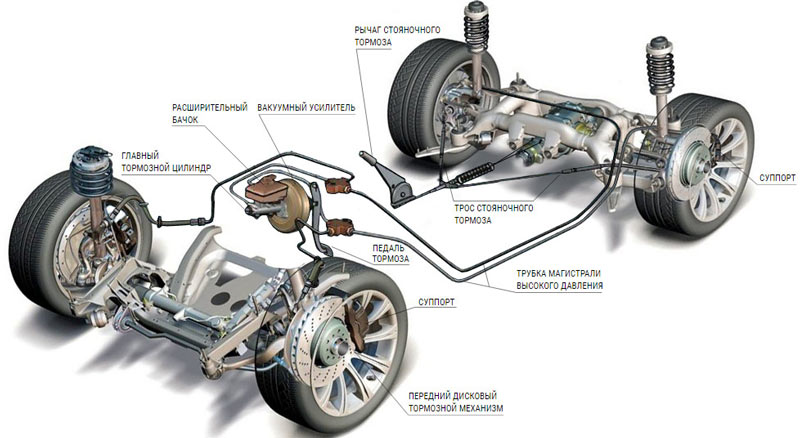
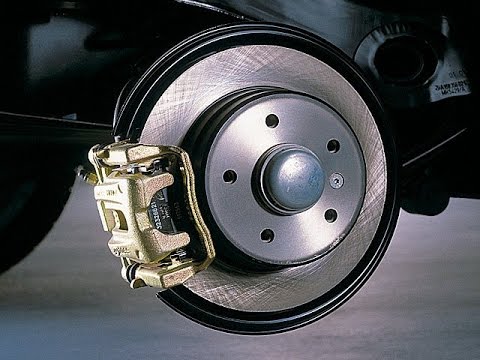
To stop, the driver uses the pedal. After pressing it, the wheel rotation decreases, and the vehicle slows down until it comes to a complete stop. This happens due to the increasing friction of the brake pads against the discs (most often) or drums. The principle of hydraulics is at the core. Pressure is transmitted by a special fluid through pipes to the brake cylinders, which lead to the compression of calipers or the separation of pads in drum devices.
The main components include:
- • Master cylinder and four for each wheel disc
- • Reservoir
- • Pipe network
- • Calipers
- • Pads
Bleeding the brake system is necessary if, for some reason, the car does not respond to pedal pressure. Although it is sealed, air can get into it, which is already a cause for concern. Gas bubbles reduce pressure in the pipelines, which is dangerous in any case. If you periodically bleed the working environment, you can avoid many awkward or dangerous situations.
Reasons for Brake Bleeding
This procedure is carried out in the following cases:
- • After repairing or replacing various components
- • If there are mechanical damages to the channels and leaks
- • Routine replacement of the working fluid with new
Bleeding the brake fluid allows you to remove air and restore normal functionality. Experts recommend doing this after replacing pads, master and wheel cylinders, discs, calipers and their components, channels, and so on. It is extremely important to regularly check the level in the reservoir and monitor the readings on the instrument panel. A lit parking brake light will indicate problems.
How to Bleed Brakes Alone?
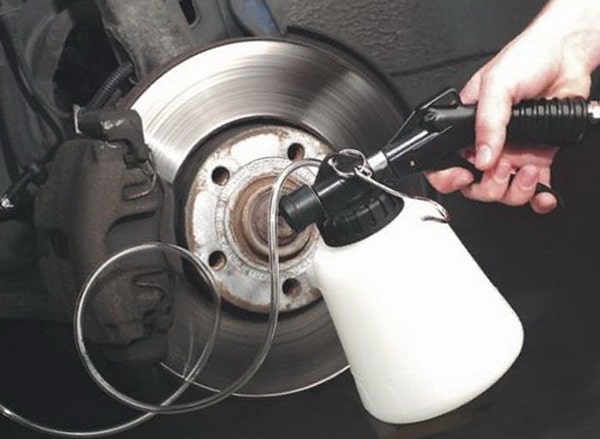
The main goal of these actions is to remove air bubbles by gradually releasing the fluid. Since it is necessary to simultaneously press the brake and loosen the bleed screws, it is better to have an assistant. However, bleeding brakes is also possible for one person. You will need:
- • Brake bleeding scheme from the specific model's user manual
- • Garage with a pit or flat surface and a jack
- • Wrenches: for removing wheels and bleed screws
- • New brake fluid, preferably similar to the one already in use
- • Transparent tube or hose (a dropper is ideal) and a container for draining the working fluid
- • Various rags
- • A stopper to bleed brakes without an assistant
The sequence of bleeding brakes is similar for all passenger cars. The main principles are to open the bleed screw with the brake pressed.
Sequence of Bleeding Brakes on Your Own
A garage with a pit or a lift can help avoid removing the wheels. On the other hand, you will have to constantly go up and down. The first thing to do is immobilize the vehicle. Using the handbrake is strictly prohibited. Before bleeding the brake system, it is necessary to open the reservoir, reach the drain hole, attach a hose to it, and prepare a bleed wrench.
Each brand and model has its own brake bleeding scheme, which will be effective only in a specific case. You cannot bleed the system on a Toyota Venza following the Volkswagen Tiguan scheme and vice versa. It won't harm, but it will take extra time and effort with zero results. It is important to strictly adhere to the brake bleeding sequence according to the car's manual.
The first step is to remove the air from the main mechanism. There are two bleed screws on it - for the front and rear suspension. If you cannot place a container with a tube under it, you can use a rag and slowly release the pressure, allowing the fluid to drip freely. Before turning the bleed screw, slowly press the pedal to the floor and fix it with a stopper in that position. The sequence of bleeding brakes requires alternating pressing and draining. The process will need to continue until the substance flows without bubbles.
After that, you can move on to the wheel bleed screws. The transparent vessel attached to them will show if there are air inclusions. The sequence of bleeding brakes starts with the furthest cylinder from the main one. Usually, this is the rear right wheel. Before turning the bleed wrench, it is necessary to press the pedal to the limit and fix it with a stopper. Then repeat until the hose flows continuous working fluid without bubbles. And repeat this process for all four wheels.
If you are unsure how to properly bleed brakes on a particular car by yourself, it is better to consult with an experienced mechanic. It may not be a difficult task, but it is very responsible.
See also:
- disassembly of toyota camry 55 america
- disassembly of ford edge
- disassembly of ford escape ukraine
- parts for ford focus 3 american
- disassembly of ford fusion
- disassembly of jetta 6 usa kiev
- disassembly of passat b7 usa
- rear bumper vw passat b8 usa
- disassembly of toyota camry 70
- parts for toyota highlander
- nissan rogue parts