You've been driving in the heat for days: highway, traffic jams before cities, switchbacks, and only stops for coffee and gas. The car has made it, the family is happy, the trunk is filled with souvenirs—it seems like you could just park it in the yard and forget about it until fall.
But it is precisely after such trips that hidden problems emerge: the engine could run at high temperatures for a long time, the suspension would catch potholes, and the tires would overheat and become overloaded.
Some consequences aren't immediately noticeable: a small crack in the windshield, slight vibration at speed, leaking oil or antifreeze, or worn brake pads. In August, many drivers put off diagnostics until later, only to find themselves facing costly repairs by September—from wheel replacements to engine overhauls.
In this article, we'll explore what you should definitely check after a long trip, how to determine which parts are damaged and which are still valuable, and when it makes sense to consider used, genuine parts from a car dismantler to avoid overpaying for repairs.
Why is this topic particularly relevant now?
August is the peak season for vacations and long-distance travel: thousands of cars set off daily on long routes along hot highways, mountain roads, and, in some places, downright poor pavement. It's at the end of the season that many vehicles experience their maximum wear of the year—and drivers often limit themselves to just washing their vehicles and skipping a full inspection.
Road conditions also play a role: even with careful driving, long journeys over potholes and ruts accelerate wear on the suspension, tires, and brake system, while heat and traffic jams increase the strain on the engine, cooling system, and transmission.
The result is increased demand for repairs, a shortage of some new parts, and growing interest in high-quality used original parts from auto dismantlers.
Real-life example: a car after a long journey
Car: Volkswagen Golf VII, 1.4 TSI, 2016, 120,000 km. Route: Kyiv – Odesa – Chernivtsi – Lviv and back, about 2,000 km in two weeks. Hot August, roads of varying quality, a full trunk, and four people in the car.
After the trip, the owner noted:
Slight vibration of the steering wheel at speeds of 100–120 km/h.
Chips through the windshield and front bumper.
Knocking in the front suspension on a bad road.
Oil leaks on the engine guard.
Damaged:
Front shock absorbers and support bearings (suspension wear).
Windshield with chips in the wiper area.
Front bumper with damaged paint and cracks along the lower edge.
Remaining usable:
Original ABS and stabilization system sensors.
Parking sensors and headlight mounts.
Original headlights without cracks, with intact fasteners.
What could be replaced with a used original:
Front bumper complete with fasteners and grilles.
Support bearings and suspension springs, if there are verified used originals with a small difference in mileage.
Windshield - if it is a whole original part without chips or optical distortions.
Conclusion: even after heavy use, some original parts remain valuable and can be used as a donor for other cars, and the owner of his car can save a lot by choosing used original spare parts instead of new ones, especially for the body and attachments .
What to check after a long trip
1. Oil and antifreeze levels
After a long drive, especially in hot weather, the oil and antifreeze may not only heat up but also be partially lost through micro-leaks or increased engine consumption. It's important to check the oil level on the dipstick when the engine is cold, and evaluate the color and smell—if the oil has darkened, become thin, or smells like gasoline, it's time to consider a replacement.
Antifreeze is checked using the expansion tank: the level should be between the MIN and MAX marks, with no oil film or foreign odors. If the level drops and traces of fluid are visible on the engine guard, this is a reason to inspect the radiator, hoses, or water pump. If necessary , a used original radiator or expansion tank can be considered, but only after checking for leaks.
2. Tire pressure and condition
A long trip puts stress on your tires: overheating, potential impacts from potholes, and contact with sharp objects on the road. After your trip, be sure to inspect the tread, sidewalls, and inner tires: look for cuts, bulges, cracks, and uneven wear.
Check the tire pressure against the manufacturer's recommendations (sticker in the driver's door or in the owner's manual). Incorrect tire pressure after driving is a common cause of increased fuel consumption and poor handling.
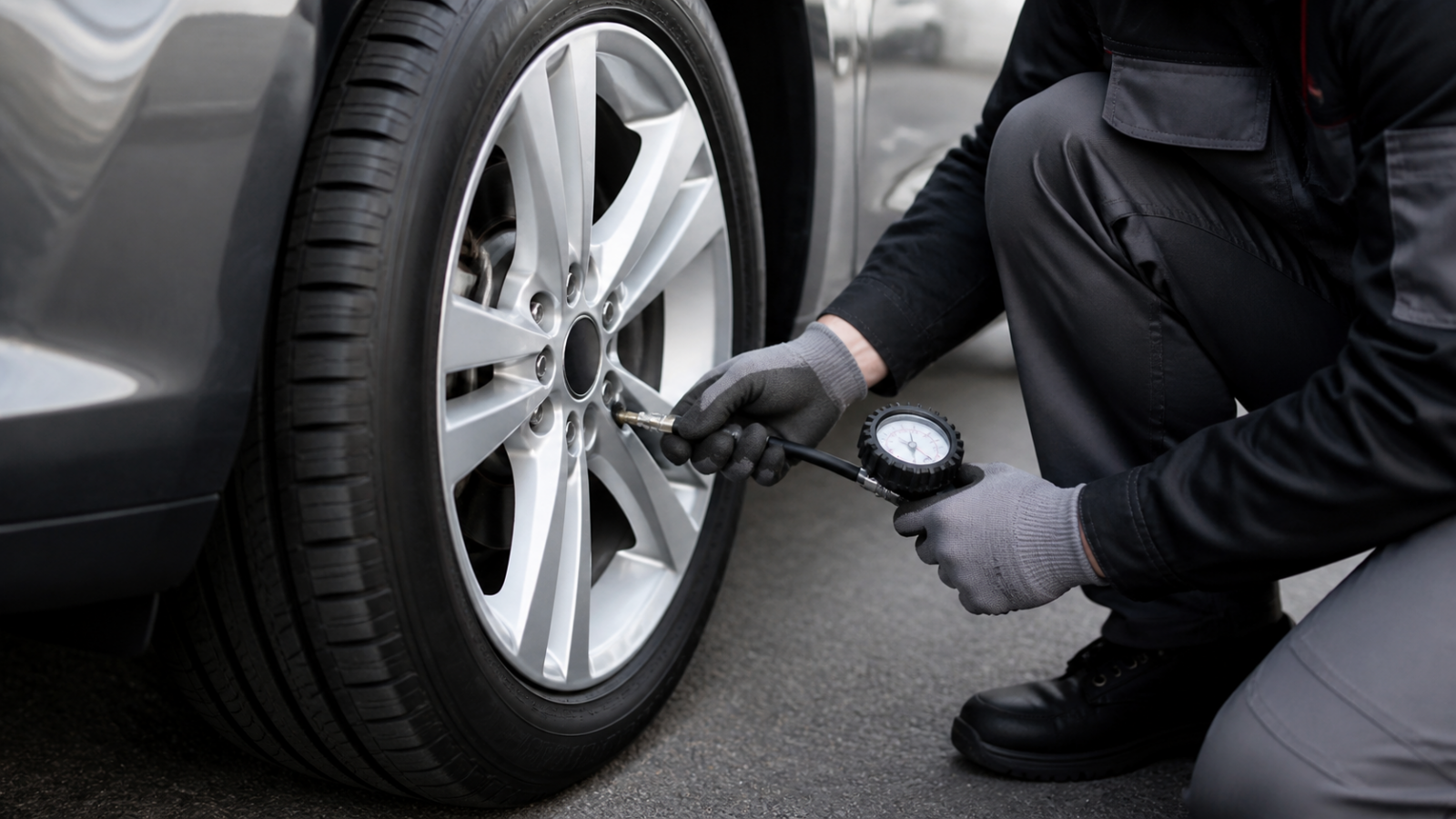
If a tire is damaged, a new set can cost tens of thousands of hryvnias, so many drivers choose used tires with good tread remaining and a clear history. However, it's especially important to trust reputable suppliers.
3. Brake pads and discs
After serpentine roads, frequent braking before entering cities, and congestion, the braking system is pushed to its limits. Signs of trouble include squealing when braking, pedal vibration, increased braking distance, and darkened or blue discs (signs of overheating).
Brake pads are usually replaced with new ones—they directly impact safety. Discs, however, can be considered used or genuine if they don't show critical wear in thickness, cracks, or severe scratches, and if the OEM number and brake system type match.
But for city and highway cars, it is often more rational to install new wheels, especially if you drive actively.
4. Chips on glass and body
Long highway drives almost always result in a rash of new stone chips: on the windshield, hood, bumper, and mirror. A small chip in the windshield can gradually develop into a crack, especially with temperature fluctuations and exposure to moisture.
Options for action:
Local glass repair (polishing, chip filling).
Replacement with original glass (new or used).
Repainting and local body repair or replacement of the entire body part.
A used bumper , door, or even a hood are typical solutions after chips and minor damage, when restoring the original part by painting it would be more expensive or difficult.
Important: The part must be free of serious hidden damage, match the fasteners, and have the correct OEM number.
5. Suspension and engine protection
The suspension is the main "sufferer" after Ukrainian roads and long trips: mounts, bushings, shock absorbers, ball joints, and tie rods are subjected to thousands of micro-loads. Signs of trouble include knocking on small bumps, body roll, vehicle pull, and uneven tire wear.
The engine guard should be inspected for cracks, dents, and signs of contact with road obstacles. If the guard is deformed, it may contact the oil pan, causing vibrations and even impeding cooling.
Here , a used original engine guard is a logical solution: it is initially designed for a specific model, the mounting points are the same, and the price is lower than that of a new original part.
6. Noise and vibrations appear
After a long journey, any new noise is a reason to listen carefully: a hum while driving may indicate worn wheel bearings, vibration in the steering wheel may indicate problems with wheel balancing or damage to the disc, and knocking under the hood may indicate loose fasteners or faulty attachments.
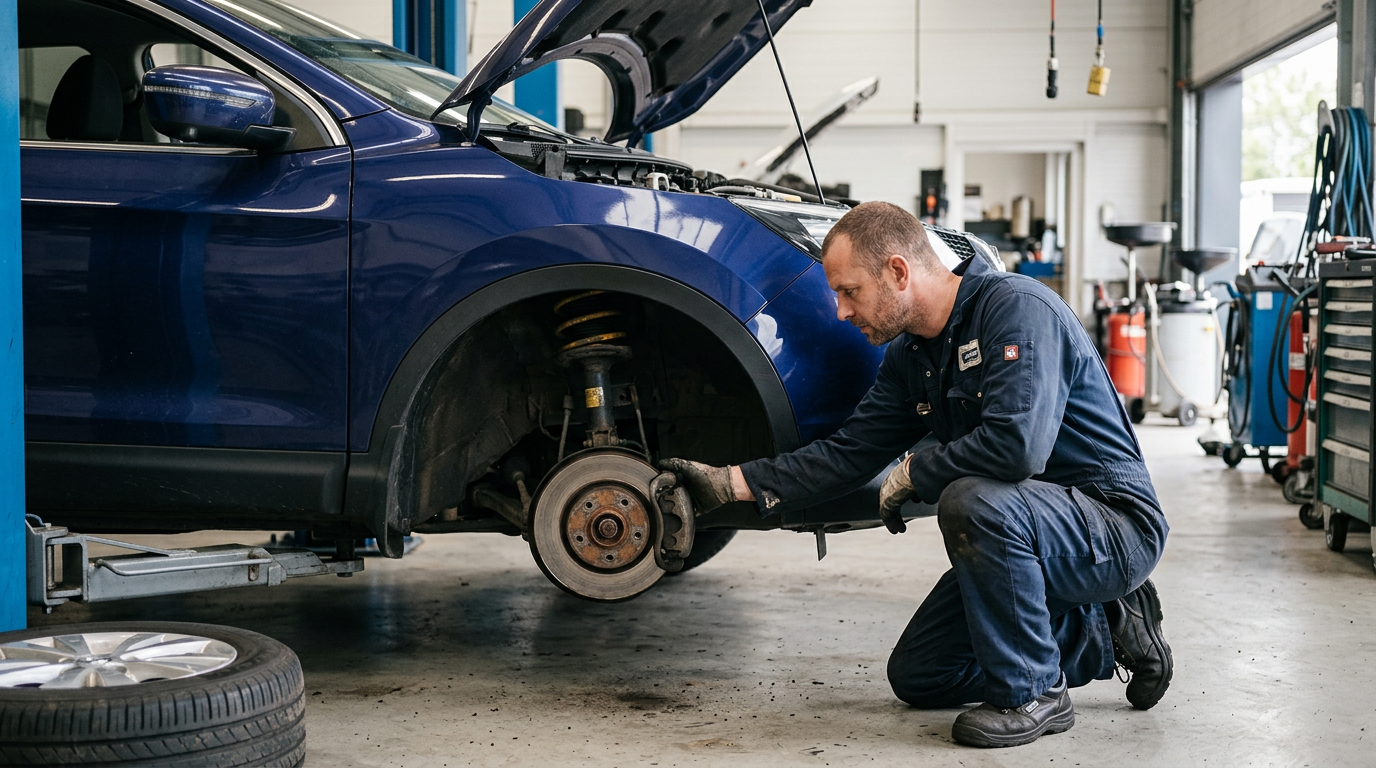
It is sometimes reasonable to replace some components (hubs, levers, some suspension elements) with used original ones if they have been tested and are not safety-critical, but for steering and braking components you should be especially careful and choose new parts more often.
Which parts have the greatest impact on repair costs?
Unit/part | Why are repairs expensive? | Examples of prices in UAH (guideline) | When a used original comes to the rescue |
Windshield | Large size, sensors, heating | from 6,000 to 20,000 | With a whole original part without chips |
Front bumper with sensors | Complex shape, parking sensors, grilles | from 8,000 to 25,000 | Used bumper assembly with fasteners |
Shock absorbers and supports | A couple of parts, replacement work | from 4,000 to 12,000 | Used original with low mileage is possible |
Brake discs | Pair/set, brand and size are important | from 3,000 to 10,000 | Sometimes used, but more often new is better |
Engine assembly | Complex unit, installation work | from 40,000 to 120,000 | Used engine with a clear history |
Transmission | High price, complex diagnostics | from 35,000 to 100,000 | Used box with warranty for inspection |
These figures are illustrative and depend on the make, model, and generation of the vehicle, but they demonstrate why many owners look to used auto parts: sometimes, a genuine part from a salvage yard is several times cheaper than a new one, while maintaining high quality and durability.
Drivers' mistakes after a trip and when choosing used parts
Driver error | What is dangerous? | What is the correct way? |
Ignore new knocks in the suspension | Increased wear and tear, risk of breakdown on the road | After the trip, carry out a chassis diagnostic |
Failure to check oil and antifreeze levels | Overheating, oil starvation | Check levels and condition immediately after the route |
Buy a used headlight "from a general photo" | There may be broken fasteners and leaks. | Request large photos of the mounts and the rear of the headlight |
Do not check the OEM number when buying a used bumper | The part won't fit, there will be gaps and problems with the fasteners. | Check OEM part number and compatibility by model |
Take the control unit without the possibility of testing | Risk of non-working electronics | Clarify the terms of inspection and return |
Save on brake parts by buying used pads | Direct security risk | Always install new pads and check the discs thoroughly. |
These mistakes often occur after vacations: the driver is tired of spending money and tries to "save money somewhere," but ends up paying more—either in money, time, or safety.
When choosing used original spare parts after a long trip, it's important not only to "find the part cheaper," but also to ensure that it truly fits your car and will last for more than one season.
At a car dismantling yard, it makes sense to check the OEM number, condition, and accessories in advance—for example, for a used headlight, this includes mounts, ignition unit, and bulbs; for a bumper, this includes the presence of grilles, parking sensor plugs, and fasteners.
A good auto dismantler will help you find the right part for your specific make and model, provide photos and the ability to inspect it, and explain where used originals offer reasonable savings (body, optics, interior), and where it's better to play it safe and buy new consumables and safety components.
FAQ
Is it necessary to have diagnostics done after a long trip?
Yes, especially if the route was long, hot, or on poor roads: checking fluids, suspension, brakes, and tires helps catch problems early and save on repairs.
Is it possible to buy used headlights for your car?
Yes, if the headlight is genuine, has intact mountings, is free of cracks and moisture, and its OEM number matches your part number. It's important to obtain detailed photos and, if possible, have it tested on a test bench.
What is better: a new analogue or a used original part?
It depends on the component: for bodywork and optics, a used original often wins in terms of quality and fit accuracy, while for consumables and critical safety components, a new branded equivalent or a new original part is often preferable.
How do I know if a used part will fit my car?
You need to check the OEM number, year of manufacture, model, and trim level of the car. Reputable auto dismantlers can help you find the right part by VIN and provide advice on compatibility.
Bottom line: how to avoid turning your vacation into expensive renovations
After a long journey, it's important to give your car a little attention: check the fluids, tires, brakes, suspension, glass, and bodywork—this helps you spot the effects of stress before they turn into serious and expensive repairs.
Used, genuine auto parts from a salvage yard can be a smart way to save money, especially when it comes to body parts, headlights, engine guards, and interior components, where the quality of the originals is significantly higher than many cheaper alternatives, while the price is lower than that of a new part.
The main thing is not to buy blindly, check the OEM number, look carefully at the photo and clarify the inspection and return conditions.