Car suspension is a complex system of levers, springs, bearings, and other elements. Although all chassis components are made of steel, they are not able to withstand the loads of road surfaces. Regular maintenance is inevitable, and every car enthusiast should know when and how to replace stabilizer struts in 2020.
Contents
- Construction and purpose of stabilizer struts
- Malfunctions of stabilizer struts
- When is it necessary to replace stabilizer struts?
- How to replace stabilizer bushings yourself
- Conclusions
Construction and purpose
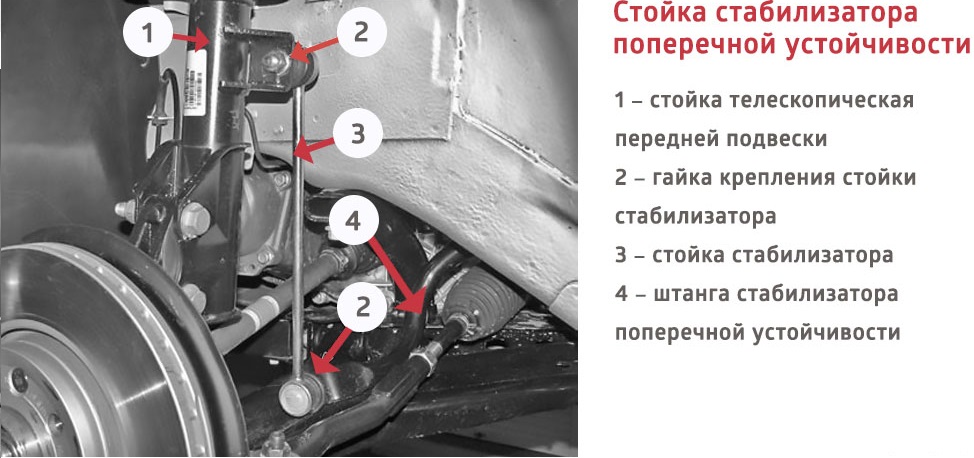
These components of the suspension system (also called tie rods) are metal rods ranging from 40 to 200 millimeters in length depending on the make, model, and configuration. They have attachments at both ends, which also vary depending on the car manufacturer, so there is no single description of what a stabilizer looks like. Bushings and joints are often used for connection. With their help, the element connects the frame to the steering knuckle or hub. Contacts are hidden under dust covers. Rear and front tie rods on the same car differ from each other.
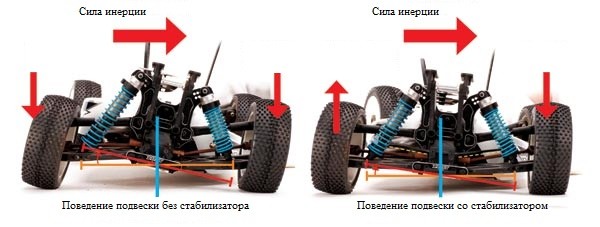
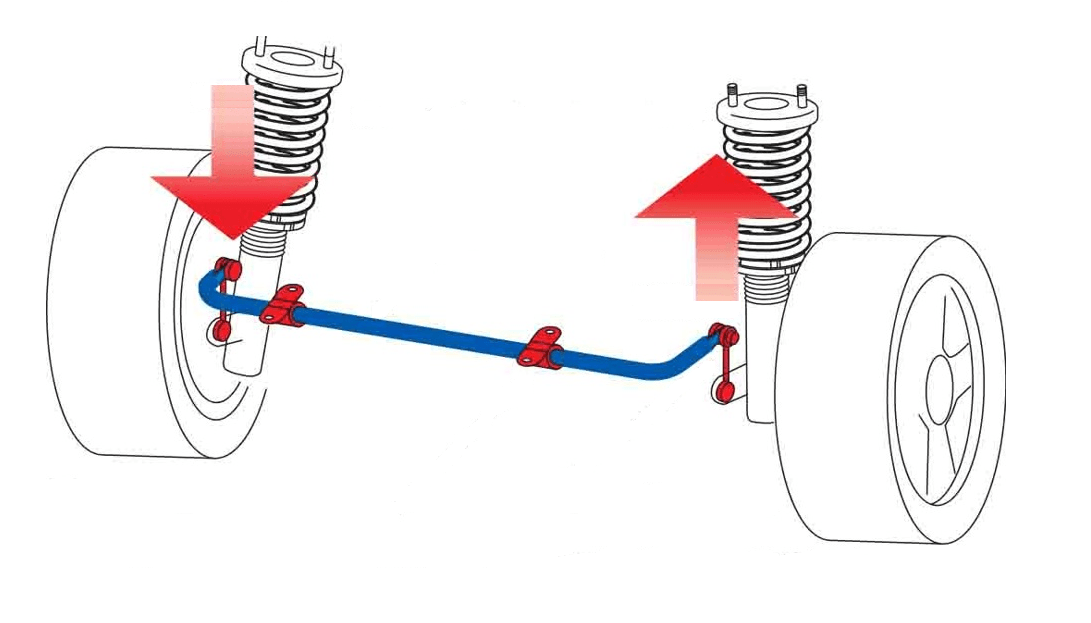
This unit plays a crucial role in the lateral stability of the vehicle on turns and in general when moving on any roads. The purpose of the stabilizer is hidden in the name itself. Proper products maximize the leveling of the body's horizontal tilts, while the chassis remains on the road surface. Therefore, the vehicle does not overturn during maneuvers.
Malfunctions
It is no secret that the suspension is exposed to the influence of the surrounding environment and constantly comes into contact with aggressive substances year-round. Factors that affect the service life of stabilizer struts include:
- • Dynamic off-road driving
- • Dirt that gets stuck in clearances and hinders normal functionality
- • Anti-icing agents
- • Deep puddles
- • Potholes and deep holes on roads
This can lead to corrosion, tearing of dust covers, subsequent clogging of joints and bushings, loss of elasticity. After prolonged exposure to negative conditions, even a novice in the automotive field will know what a stabilizer requiring restoration looks like.
When is it necessary to replace?
The frequency of the procedure is not constant even for one driver. The knocking sound while driving will indicate that it is time for replacement. If the sounds come from under the fenders below the half-shaft, then the problem is with the struts, and you will need to study literature on how to replace stabilizer bushings and more. There is no need to be greatly upset by the fact of a breakdown, as the work can be done independently, and the costs will not significantly affect the financial well-being of the car owner.
If there are only suspicions without evidence, a visual diagnosis can be performed. To do this, simply remove the wheel and inspect the area around the half-shaft. Torn protective covers, bushings that have lost elasticity, corrosion, and other signs of wear will be a signal to start repairs.
How to replace stabilizer bushings yourself
When the procedure becomes inevitable, the first step is to park the car on a level surface and use wheel chocks. The tool kit includes:
- • Jack
- • Ball joint separator or a set of sockets of different sizes with a ratchet for loosening bolts
- • Hex key or clamp to fix the thread
- • WD-40 to help loosen corroded nuts
- • Wrenches to loosen the struts
- • Repair kit and spare parts
- • Grease
Before replacing stabilizer bushings, it is better to make sure you have everything you need. This way, everything will go quickly and easily.
By lifting the car with a jack and removing the wheel, access is opened. To remove the tie rod without excessive effort, it is important to unload both suspension wheels (the second one may not need to be removed). Otherwise, the unit will be under tension. Another option is to place a support under the lower control arm and lower the car until the strut is in a more relaxed position. In different models, you may need to additionally remove the ball joint.
If you can't remove the bolts on the first try, you can treat the connections with WD-40. After that, the thread should be fixed with a hex key (if provided) and loosen the upper and lower fasteners. The old and new parts can be compared by configuration and size.
Assembling the suspension after successfully replacing the stabilizer bushings will take less time than disassembly. It is important to remember to install only new, pre-greased elements - this is a rule. A restored tie rod will not last long and will pose a risk of sudden breakage.
Conclusion
Auto repair shops know how to replace stabilizer bushings, but the satisfaction is greater when the owner performs all the work with their own hands. If there are difficulties in how to change stabilizer struts, then it is better to turn to professionals. Original parts can be found at any auto market, and a dismantling shop will offer a similar assortment at lower prices for rare foreign cars in our region.
See also:
- camry 55 america dismantling
- ford edge parts
- ford escape dismantling
- ford focus dismantling
- ford fusion usa dismantling kiev
- jetta usa parts
- passat b7 usa dismantling kiev
- passat b8 dismantling
- camry 70 interior
- highlander 2014
- nissan rogue parts