In our climate conditions, the operation of any car requires two sets of tires - summer and winter. Therefore, while one set of tires is in use, the other needs to be stored somehow. And it needs to be done correctly so that the tires last longer and driving is safer. This blog will answer all questions about storing tires in winter and summer.
What are the necessary storage conditions?
It may seem that tires are subjected to the most extreme loads of all parts of a car - mechanical, temperature, chemical. Therefore, proper tire storage should not be something complicated and burdensome. Leaving the tires outside, exposed to the sun, rain, snow, and wind is not a mistake. But the point is that during trips, the load on the tires changes regularly. And when the products are stored in a static position, they are affected by constant negative factors.
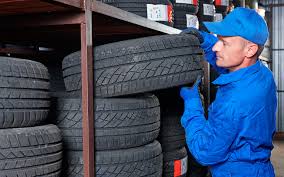
The question of how to properly store tires in 2021 is so important that it is regulated by state standards. These standards specify such parameters:
- Ambient temperature from -30 to +35 degrees Celsius
- Air humidity up to 50%
- Constant ventilation
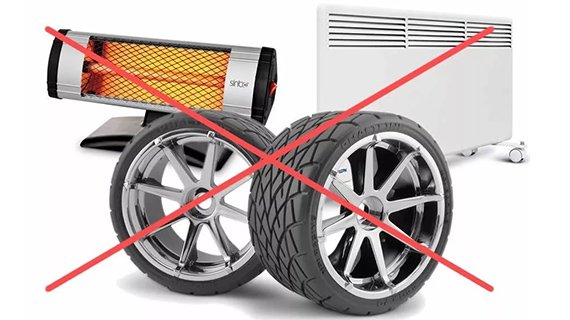
- Minimum distance to heat sources - at least 1 meter
- Absence of aggressive chemical substances nearby, such as acid batteries, detergents, sets of solvents, and so on.
Therefore, in home conditions, tires can be placed in a garage, on a balcony, in an outbuilding, and other rooms where there is no moisture.
Preparing tires for storage
Regardless of whether the tires will be stored on rims or not, there are a number of procedures before leaving the set for safekeeping:
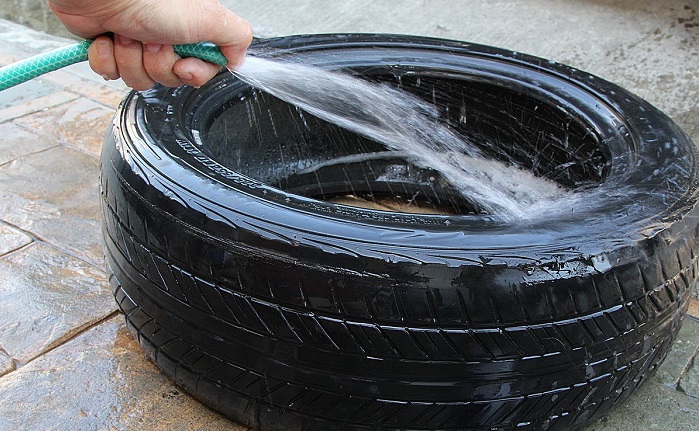
- Remove small stones, dirt, and other unnecessary items from the tread
- Wash and dry the wheels, mark them
- Lubricate the products with preservative grease
- If you plan to store tires on rims, make sure the pressure in them is reduced by half
None of these steps should be skipped, otherwise the consequences can range from unpleasant (damaged tires and repairs) to catastrophic (accident on the road).
How to store tires without rims
Most car owners have only one set of rims, so seasonal tires are periodically stored until their season. This is not critical and does not violate technical norms. The peculiarity of this storage method is the lack of rigidity present in an assembled wheel. The main thing is to avoid excessive pressure on the tread and the tire's shape. This means that putting tires in tight spaces, hanging them, or stacking them horizontally is strictly prohibited. This can cause deformation of the tires. Again, according to state standards, stacking one on top of the other is allowed with a tread width of up to 200 mm.
How to choose a place to store tires without rims?
Ideal conditions can only be found in specialized warehouses, while motorists are often limited in space. Both the winter and summer tire sets should be stored in locations with the following parameters:
- Stable temperature, preferably above 0
- Low humidity
- Good ventilation
- Away from direct sunlight and atmospheric precipitation
These criteria can be met with difficulty on a balcony, in a garage, shed, good basement, attic, or pantry. For reliability, it is better not to leave the tires unattended and ventilate the room a couple of times a day. The places to store winter tires and summer tires can be different. For example, a set for warm months can be stored in the attic, where it is warm and dry. And tires for the cold season can be stored in the basement.
Features of storing tire sets
Not only do winter and summer tires differ in the composition of materials and construction, but they also have different storage conditions. It is important to avoid overheating and direct sunlight in the summer for winter tires, while summer tires need to be protected from frost and water.
If the winter set is stored in stacks lying down, you will have to constantly change the position and flip them over. Summer tires should be stored vertically. It is allowed to leave the tires in a stack for no more than a month.
As for storage, there are no restrictions - the floor, table, rack, pallet, or just an old blanket will do.
How to store tires on rims
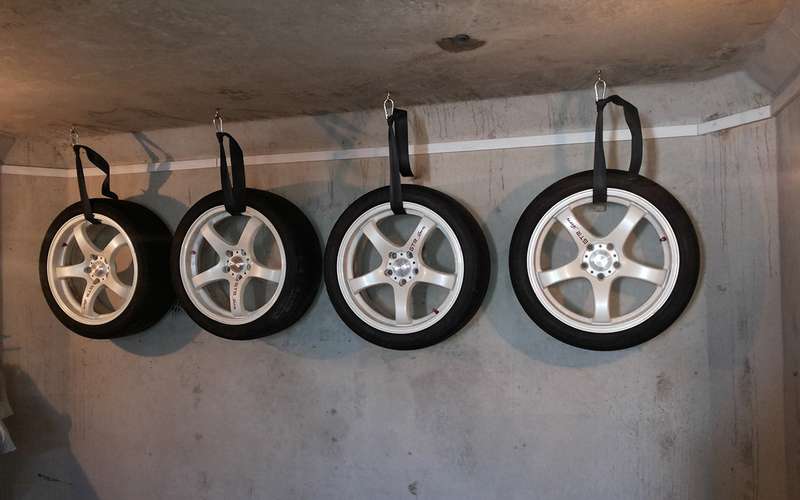
A wheel assembly is more convenient when changing tires according to the season - there is no need to go to a tire service and spend extra money. However, a tire on a rim weighs more. Before storing the wheels on rims, they need to be washed and dried. They can be placed on their side or in a suspended state. It is strictly forbidden to place tires vertically.
The advantages of this approach:
- No need for flipping
- No dust accumulation on the inner side of the tire
- Options for placement - such as hanging, which can save space in the garage
Long-term storage of winter tires on rims can be done without the need to rearrange the tires to prevent flattening and deformation.
Should tires be left in bags?
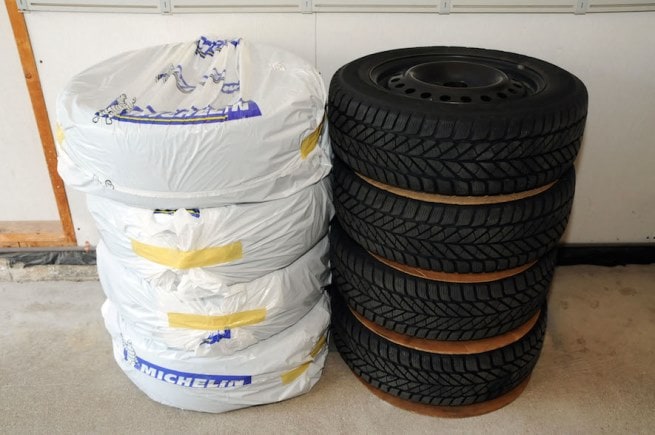
The answer to this question is unequivocal - yes. But only if the room maintains a stable temperature and humidity. Otherwise, the bags will "sweat," excess moisture will accumulate on the tires, leading to premature damage. If there are no bags, as an alternative, it is not forbidden to purchase special opaque covers to prevent premature aging of the tires. This will help protect the tire from dust and the effects of solar radiation. But only if there is no risk of flooding.
Consequences of improper tire storage
If the owner does not practice proper tire storage, they are likely to spend a lot of money on repairs and components. The consequences of negligence in tire storage can only be negative. And the most common one is the different degree of wear of tire elements.
For example, hanging tires without rims on ropes can lead to geometry violations, firstly. Secondly, the inner edge adjacent to the rim will be deformed. As a result, a new tire will need to be purchased. If tires are not rearranged during stack storage, there is a risk of profile damage. Leaving stones in the tread can change the pattern and quality of road grip. Having a heater near rubber parts can be disastrous. Spilling gasoline, kerosene, oil, and other chemicals on the tire will result in irreparable damage.
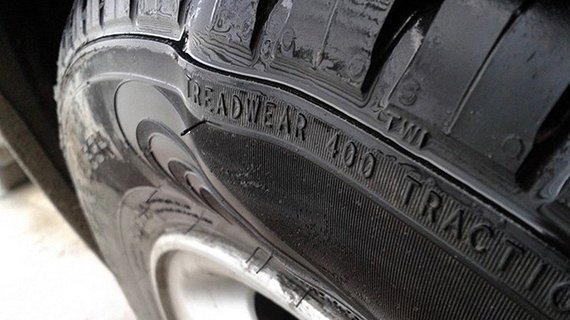
The consequences of improper storage are visible on every road in the form of tire shreds with cords. A lump appears first, then it grows and bursts under load. This leads to accidents, often with fatal outcomes. Therefore, do not hesitate to learn how to properly store tires in different seasons.
Storing tires in summer
Obviously, in the summer, winter sets are put into storage. They need to be protected from overheating first and foremost. And from other factors such as neutral and active liquids, deformations, and flattening. Under no circumstances should tires be left outdoors for long periods. The best places for storing winter tires are dry and cool spaces. The methods of placement are described above.
Storing tires in winter
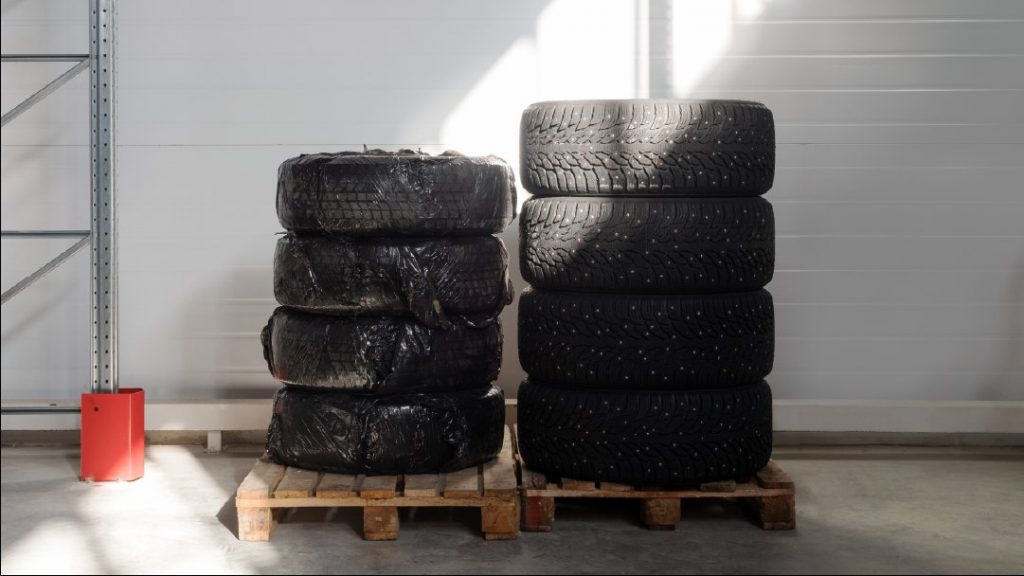
With the temperature dropping, summer tires harden and can permanently lose their properties. Before the cold sets in, it is better to allocate a square meter of dry and not too cold space. If necessary, it is not superfluous to cover the tires with a breathable material. This will help prevent excessive dust accumulation.
Conclusion
Proper tire storage should become the norm for owners of both regular and luxury cars. At the very least, it will help save money, and at most - prevent accidents. Before storing the tires until the next season, inspect the surfaces for damage. Maintain the cleanliness of the tires and proper placement. If in doubt, leave this task to professionals - companies specializing in responsible tire storage have already appeared.
https://www.youtube.com/watch?v=TftRkbErXNE