You emerge from the airport, overloaded with suitcases, press your key fob, and are relieved to see your car in the far parking row. Two weeks of scorching sun, 35°C (95°F), scorching asphalt, and the first question is: "Should we get in and drive—or should we check first to make sure everything's okay?"
Of course, it's better to take a look, because during this time the tires could have lost pressure, the battery could have died, the brake discs could have become covered in a layer of corrosion, the wiper blades could have dried out, and rodents could have started living in the engine compartment.
In this article, we'll explore what can actually happen to a car after two or three weeks of sitting in the heat, what you should definitely check before your first drive, and when used, genuine parts from a salvage yard will save you the trouble, rather than a full set of new parts from the store.
Why has the topic become particularly relevant?
Summer vacations and business trips mean thousands of cars sit for weeks in open parking lots near airports, shopping malls, and residential complexes. In Ukraine, this also means regular temperature fluctuations, dust, and sometimes the lack of shelter or proper markings, leaving cars parked outdoors virtually 24/7.
Car owners are increasingly buying cars from the US with existing damage and repairing them piece by piece, so any additional damage from sitting in the heat can significantly increase the cost of repairs. Every crack in the dashboard, a broken hose, or a failed air conditioning unit represents a separate expense.
With prices for new, genuine parts rising, more and more drivers are turning to genuine used parts from auto dismantlers, where they can find the right part in factory quality, but at a significantly lower price. The key is to understand when a used part is truly a sensible solution, and when it's better not to skimp.
A real-life example
The owner of a Hyundai Tucson crossover left his car in a covered parking lot at Kyiv airport for 16 days. Upon returning, he noticed the tires were noticeably sagging, the steering wheel vibrated when braking at low speeds, and the air conditioner blew warm air for the first few minutes.
At the service center, they discovered that the tire pressure had dropped by 0.3–0.4 bar, the brake discs were covered in surface corrosion, and the front brake pads were seizing. Inside, the upper edge of the dashboard was partially burned, and the windshield wiper blades had become stiff and streaky.
The owner got by without replacing the wheels: after a few hard braking maneuvers on a safe surface, the coating wore off. However, the windshield wipers and one cracked outer air conditioning hose had to be replaced—and the owner actually saved about 2,500 UAH on these items thanks to genuine used parts from a car salvage yard.
What to check after two weeks in the heat
Tire pressure
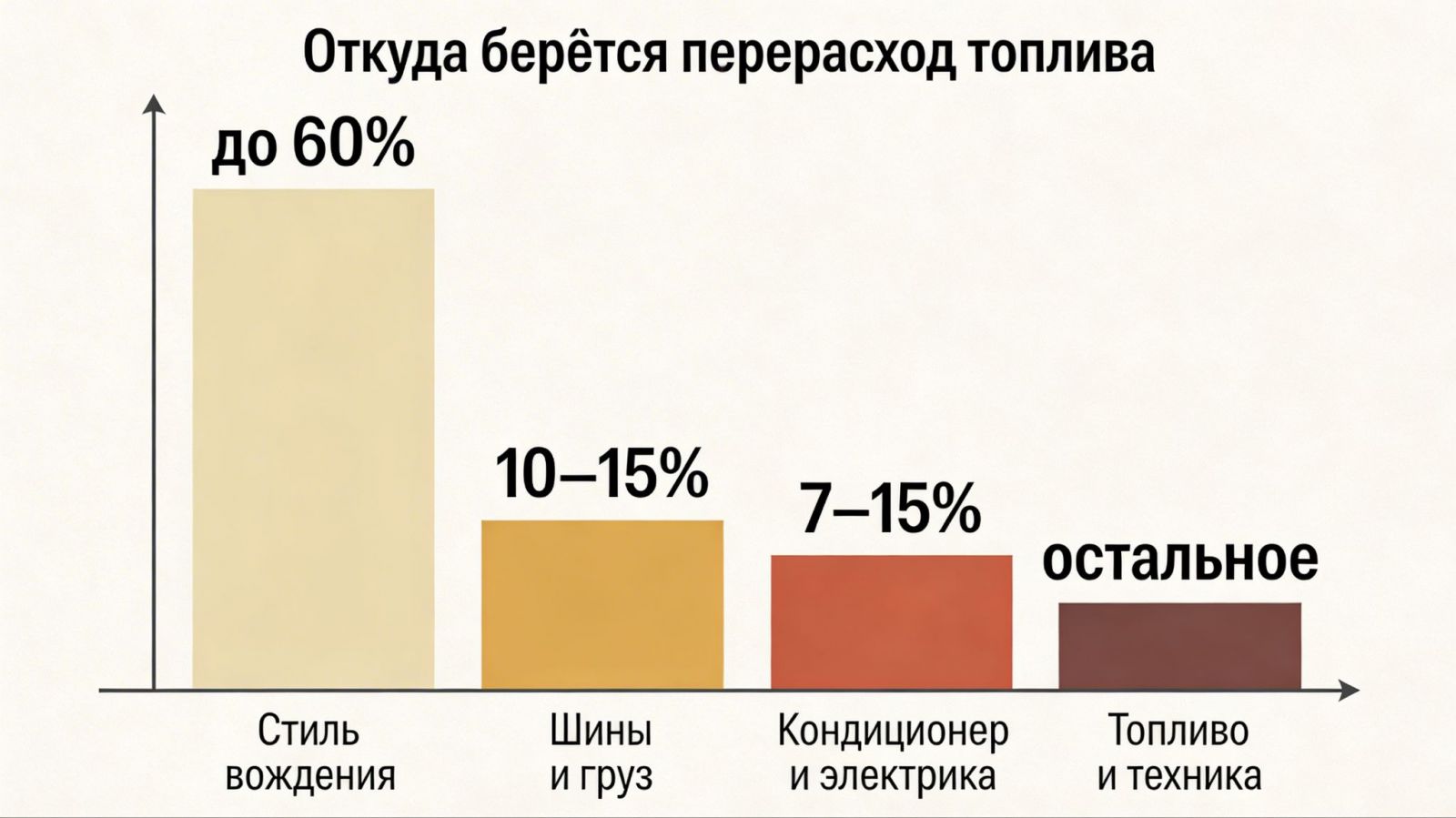
Over two weeks of inactivity, tire pressure can drop by 0.1–0.3 bar, especially if it wasn't ideal to begin with or the tires are no longer new. Underinflated tires lead to increased fuel consumption, overheating of the tires, and poor handling, especially on the highway.
Before your first trip after vacation:
Be sure to check the pressure in all four tires and the spare tire at a tire shop or at least at the nearest gas station.
Compare the readings with the recommended values on the sticker in the door opening or on the fuel filler flap.
If you notice any noticeable cracks, bulges, bulges, or cuts, it's best to immediately plan to replace the tire. It's safer to look for a used, original part with minimal wear than to risk losing old, worn-out tires.
For many common brands (VW, Ford, Toyota, Hyundai, etc.), you can find a set of used wheels or a single replacement at a car dismantling site for between 800 and 1500 UAH per wheel, which is often more cost-effective than buying a new original part.
Battery and engine starting
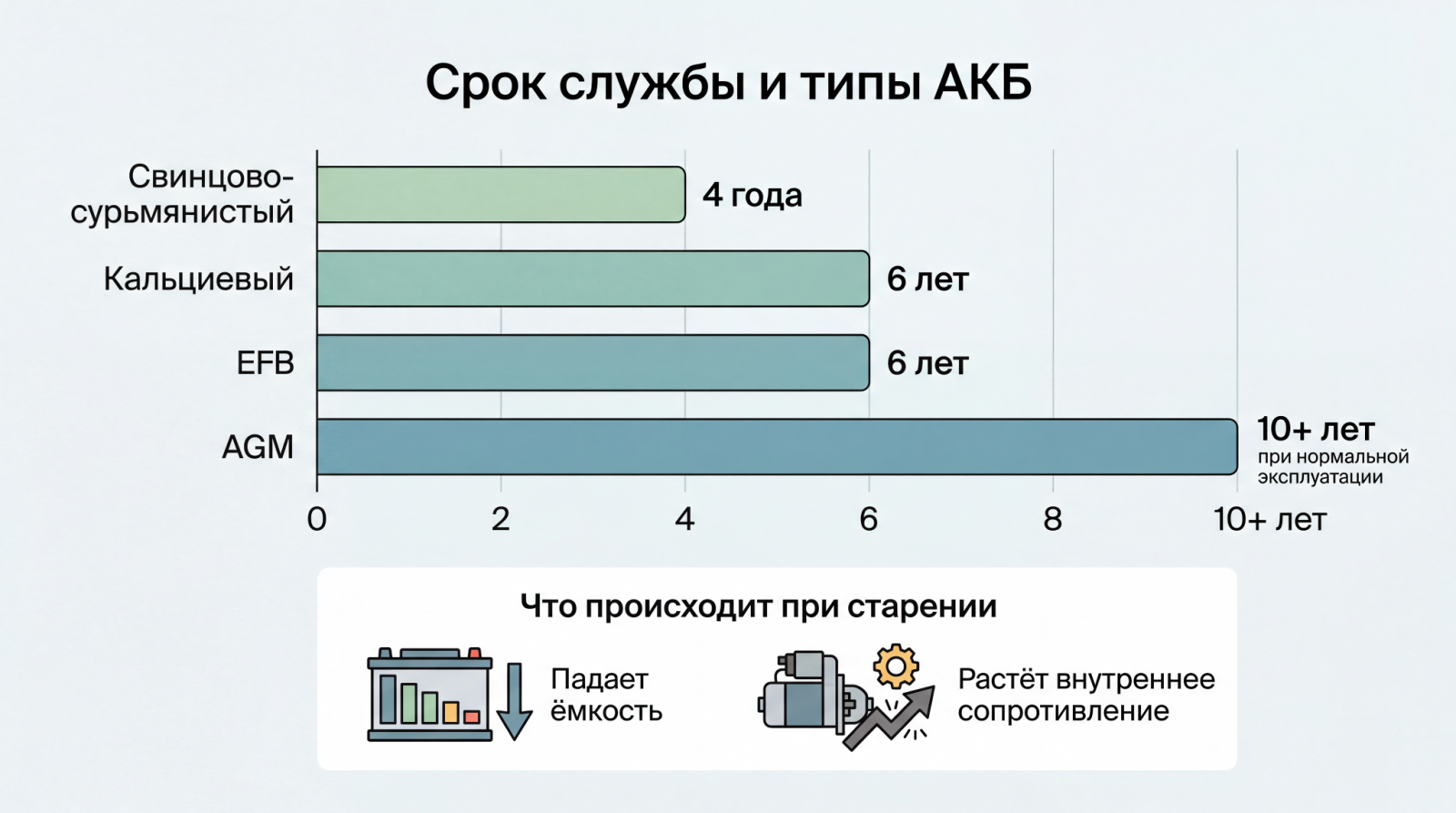
Even a healthy battery can partially discharge in two weeks in hot weather due to leakage currents, alarms, telematics, and dormant control units. This is especially noticeable in cars 7-10 years old and with older batteries.
Before a long trip:
Check how the car turns the starter: if the revs are sluggish, it’s best to have the battery checked with a load fork at a service center.
If you're having trouble starting, don't torture the battery with dozens of attempts; instead, run a diagnostic—sometimes it's cheaper to replace the battery right away than to damage the starter.
If the battery is completely dead, you can consider a used original from a dismantling shop only as a temporary solution, but for daily use, a new certified battery is better.
Corrosion of brake discs
When a car sits for a long time, especially after rain or a car wash, surface rust can form on the brake discs. This is normal and usually disappears after a few gentle braking sessions. However, if the pads are stuck to the discs or there are deep pits, the situation is more serious.
Signs of a problem:
vibration in the steering wheel or pedals when braking;
a grinding or squealing noise that does not go away after several brakings;
visual deep traces of corrosion, chips, steps on the working surface of the disc.
In this case, grinding or replacement of the discs and pads may be necessary. Used brake discs can theoretically be found, but without precise measurements and runout testing, the risk is too high. Therefore, for most drivers, it's more logical to immediately install new ones or high-quality replacements.
Traces of leakage of technical fluids

Heat and prolonged inactivity can expose weak spots in seals and hoses. After two weeks of storage, it's a good idea to check underneath the car and under the hood.
Check:
oil or coolant stains under the vehicle;
wet marks on the radiator pipes and near the clamps;
brake fluid leaks in the area of hoses and cylinders;
engine oil, antifreeze, brake fluid and power steering fluid/power steering pump (if available) level.
If cracks or leaks are found on the hoses, pipes, or expansion tank, this is exactly the case when an original part from a salvage yard can save money. A new original coolant pipe for a popular crossover can cost between 2,000 and 3,500 UAH, while a used original part in good condition costs 700 to 1,200 UAH.
Overheating and aging of interior components
After two weeks in the sun, the interior temperature can easily rise above 60–70°C. This is damaging to plastic, adhesive joints, paint, and soft trim materials.
What suffers most often:
the upper part of the instrument panel - microcracks, color fading;
leatherette on the steering wheel and gearshift lever - cracks, stickiness of the coating;
decorative trims, door handles, dashboard elements.
If the dashboard was already cracked, heat can widen it, and the old steering wheel may begin to crumble. Repairs by interior specialists can cost between 3,000 and 8,000 UAH or more, while a car dismantler can find an original dashboard or steering wheel in good condition for 1,500 to 4,000 UAH, depending on the model.

Condition of the wipers
Windshield wiper blades deteriorate especially quickly in hot weather. They lose elasticity, microcracks appear, and the first rain after vacation leaves drivers with blurred vision and dangerous blind spots.
Simple check:
Lift the wipers and inspect the rubber: if there are cracks, nicks, burrs, or the rubber has become hard, replace them.
Run your finger across it - the rubber should not crumble.
Windshield wiper blades are one part you shouldn't skimp on when buying used ones. Even if you have nearly new original wipers at a junkyard, it's better to buy new, high-quality ones: their price often starts at 300–600 UAH per set, and this directly impacts safety.
Air conditioning operation
After a long period of inactivity in hot weather, the air conditioner may blow warm air for the first few minutes, develop an unpleasant musty or damp smell, or operate under increased load due to overheating of the radiator and evaporator.
Check:
how quickly the system starts to cool the interior;
are there any extraneous noises coming from the compressor;
cleanliness of the condenser (external radiator) through the bumper grille.
If the air conditioner isn't cooling, it could be a freon leak, a worn compressor, or a clogged radiator. A genuine air conditioner compressor for modern crossovers and sedans can cost 10,000–20,000 UAH or more, while a used original with a warranty check at a car dismantling yard can be found for 4,000–8,000 UAH.
Possible damage to wiring by animals
While your car sits quietly in the parking lot, things can get a bit ugly under the hood: mice, rats, and other small animals love warm hiding places and can damage wiring harnesses, sound insulation, and plastic components.
Please note:
strange electrical errors after downtime;
failure of individual sensors, lamps, fans;
traces of gnawing on wires and casings under the hood.
Local repair of the harness by an auto electrician may cost less than replacing a large original wiring harness, but if the damage is serious, it is sometimes more cost-effective to find an original used harness assembly at a dismantling yard.
Comparison table: new part, analog or used original
Below is a simplified guideline for when it is appropriate to consider a used original after discovering problems, and where it is better to leave only new components.
Part/unit | New original (guideline, UAH) | New analogue (reference, UAH) | Used original from dismantling (approximate price, UAH) | Comment |
Air conditioning compressor | 10,000–20,000 | 6,000–12,000 | 4,000–8,000 | Used is acceptable with a warranty check and correct selection by OEM number. |
Plastic cooling hose | 2,000–3,500 | 1,000–2,000 | 700–1,200 | A good option, used original, without cracks or deformations. |
Instrument panel (dashboard) | 8,000–20,000 | — | 3,000–8,000 | It is often rational to buy a used original if there is no damage to the fasteners. |
Steering wheel assembly | 5,000–12,000 | 2,500–5,000 | 1,500–4,000 | Used is good if there is no severe wear and tear on the leather or cracks. |
Brake discs | 2,000–5,000 per axle | 1,200–3,000 | Not recommended | Important safety element, better new ones. |
Battery | 3,000–6,000 | 2,500–5,000 | 1,000–2,500 | Used only as a temporary solution, better new. |
Prices are approximate and vary greatly depending on the brand and model, but they give an idea of where the savings on a used original can be truly significant.
FAQ
Is it possible to immediately drive on the highway if the car has been parked in the heat for two weeks?
It's best to first drive around the city for 10-15 minutes, check the brakes, steering, and air conditioning, assess the tire pressure, and the overall performance of the car.
Is it normal for rust to appear on brake discs?
A thin, even coating is normal and usually comes off after a few brake applications, but deep pits, vibration, and grinding noises are a reason to take your vehicle to a service center.
Is it worth changing all fluids at once after a period of inactivity?
If the fluids are fresh and the levels are normal, a two-week downtime does not in itself require urgent replacement; it is more important to eliminate leaks and the condition of the hoses.
Is it safe to buy used parts after problems have been identified?
Used original oil is excellent for body and interior parts and some air conditioning/cooling components when properly selected and tested, but is not recommended for brakes, steering and high-voltage systems.
How do I know if a used part will fit my car?
You need to verify the OEM number, year, and model of the car, ask for photos of the part from different angles, and clarify the complete set and return conditions at the auto dismantler.
Recommendations and conclusions
Two weeks of standing in the heat isn't a death sentence for a car, but it's a good reason to pay closer attention to the tires, brakes, air conditioning, interior condition, and wiring before the first drive.
The older the car and the more modifications or repairs it has had, the more important this inspection is: small cracks, a dead battery, or a burnt wire can make themselves known right after a vacation.
If an inspection reveals that new parts are needed, it's not always necessary to buy everything from scratch. In many cases, a genuine part from a salvage yard (dashboard, steering wheel, body panel, air conditioning system part) can save thousands of hryvnias without compromising its lifespan. The key is to avoid skimping on safety and carefully select used parts.
When selecting used genuine parts, it's important to ensure the correct OEM number, configuration, and condition. At a car dismantler, you can verify the donor vehicle's history, request additional photos of fasteners, connectors, and hidden areas, and arrange for the component to be inspected before installation. This reduces the risk of buying a pig in a poke and allows you to save money without sacrificing safety.